
Red Light Therapy Benefits: What Athletes and Active Adults Should Know
Red light therapy (photobiomodulation) uses specific red and near-infrared wavelengths that may support cellular energy production and recovery. Learn the main benefits athletes care about—muscle recovery, soreness support, and consistency—plus how to use it as a practical recovery tool rather than a miracle fix.

Compression Boots Benefits: Do They Actually Improve Recovery?
Compression boots use intermittent pneumatic pressure to rhythmically squeeze the legs, supporting venous flow and fluid movement. Research suggests they may help with perceived soreness and recovery after hard training, while remaining a comfortable, passive option that pairs well with other recovery tools—without replacing sleep, nutrition, or smart programming.

Sauna Then Cold Plunge Benefits: Order, Timing and Recovery
Sauna then cold plunge is one of the most popular contrast therapy sequences. Learn the practical benefits—rapid cooling, recovery support, circulatory responses, and a mental reset—plus the best order, timing, and when cold exposure right after heat (or strength training) may need a more strategic approach.

Contrast Therapy Benefits: Sauna and Cold Plunge for Recovery
Contrast therapy alternates sauna heat with cold plunge to create rapid shifts in circulation, temperature, and how the body feels recovery. Learn the main benefits—recovery support, blood-flow changes, relaxation, and soreness relief—plus practical timing, safety notes, and how to use it as a consistent recovery tool rather than a miracle fix.

Cryotherapy Before or After a Workout: How Timing Changes the Goal
Cryotherapy can be used before or after a workout, but timing changes the goal. A brief pre-session may boost alertness (followed by a full warmup), while post-workout use is often chosen for short-term soreness relief. If maximizing strength or muscle growth is the priority, avoid making immediate cold exposure after lifting an automatic habit.
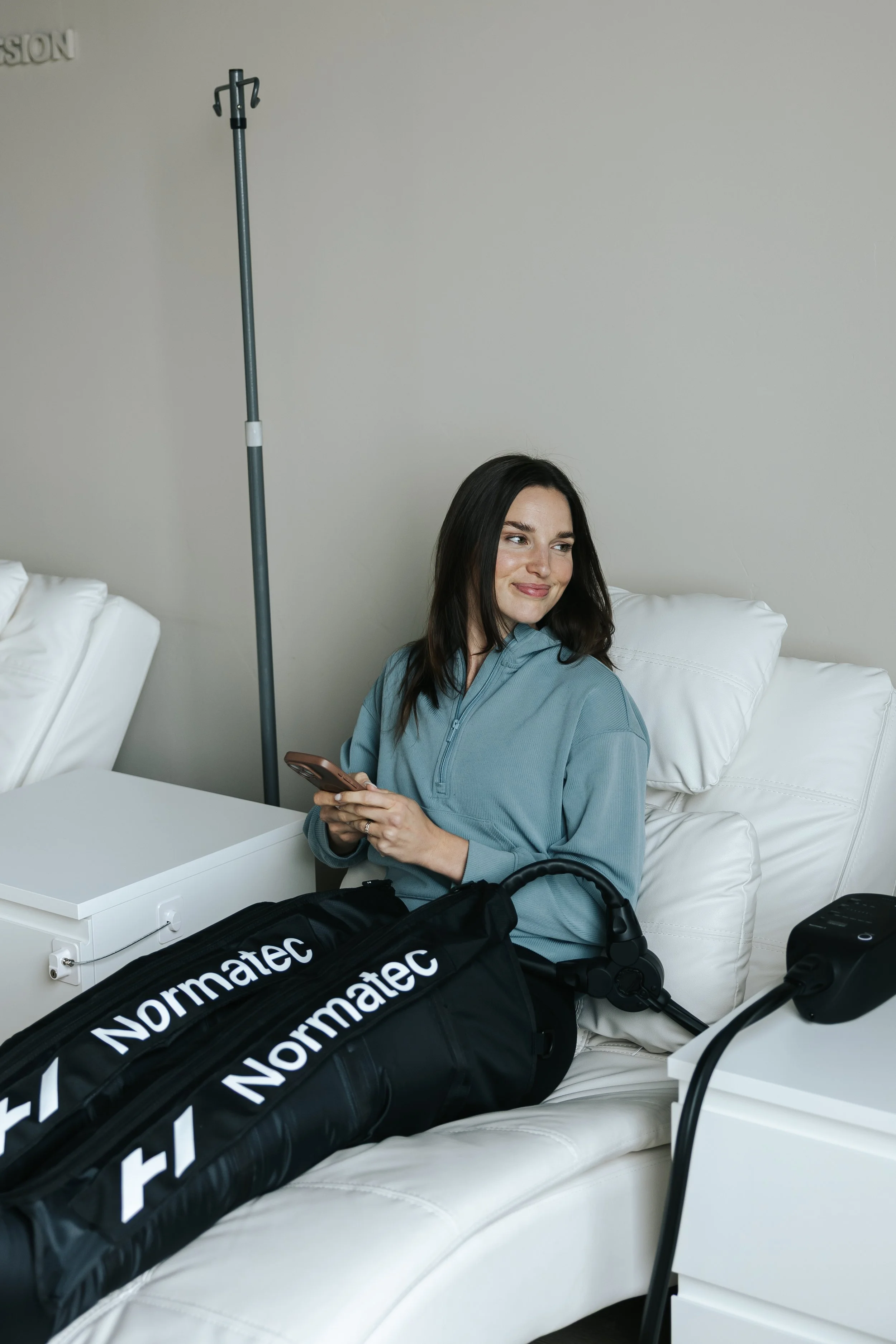
Compression Boots After a Workout: Benefits, Timing, and What to Expect
Compression boots after a workout deliver rhythmic pressure to the legs that many athletes use for a lighter, “flushed” feeling and modest support with perceived soreness. Learn how they work, ideal timing, session length, and when to skip them so they stay a helpful recovery add-on rather than a replacement for sleep, nutrition, and smart training.

Dry Float Therapy Benefits: What to Expect From a Zerobody Session
Dry float therapy creates a true floating sensation without getting wet or entering a saltwater tank. Stay clothed while a flexible surface supports you over warm water—ideal for deep relaxation, a quiet mental reset, and relief from pressure on tired muscles and joints.

Red Light Therapy Before or After a Workout: Which Timing Is Best?
Should you use red light therapy before or after a workout? Timing depends on your goal—before training may support circulation and readiness, while after is commonly chosen to complement recovery and manage soreness. Consistency and proper dosing matter more than a perfect window.

IV Therapy for Nausea and Pregnancy: Is It Safe and Does It Help?
IV therapy may help support nausea during pregnancy with hydration, vitamin B6, and essential nutrients. Learn how in-home IV therapy works in Utah County.
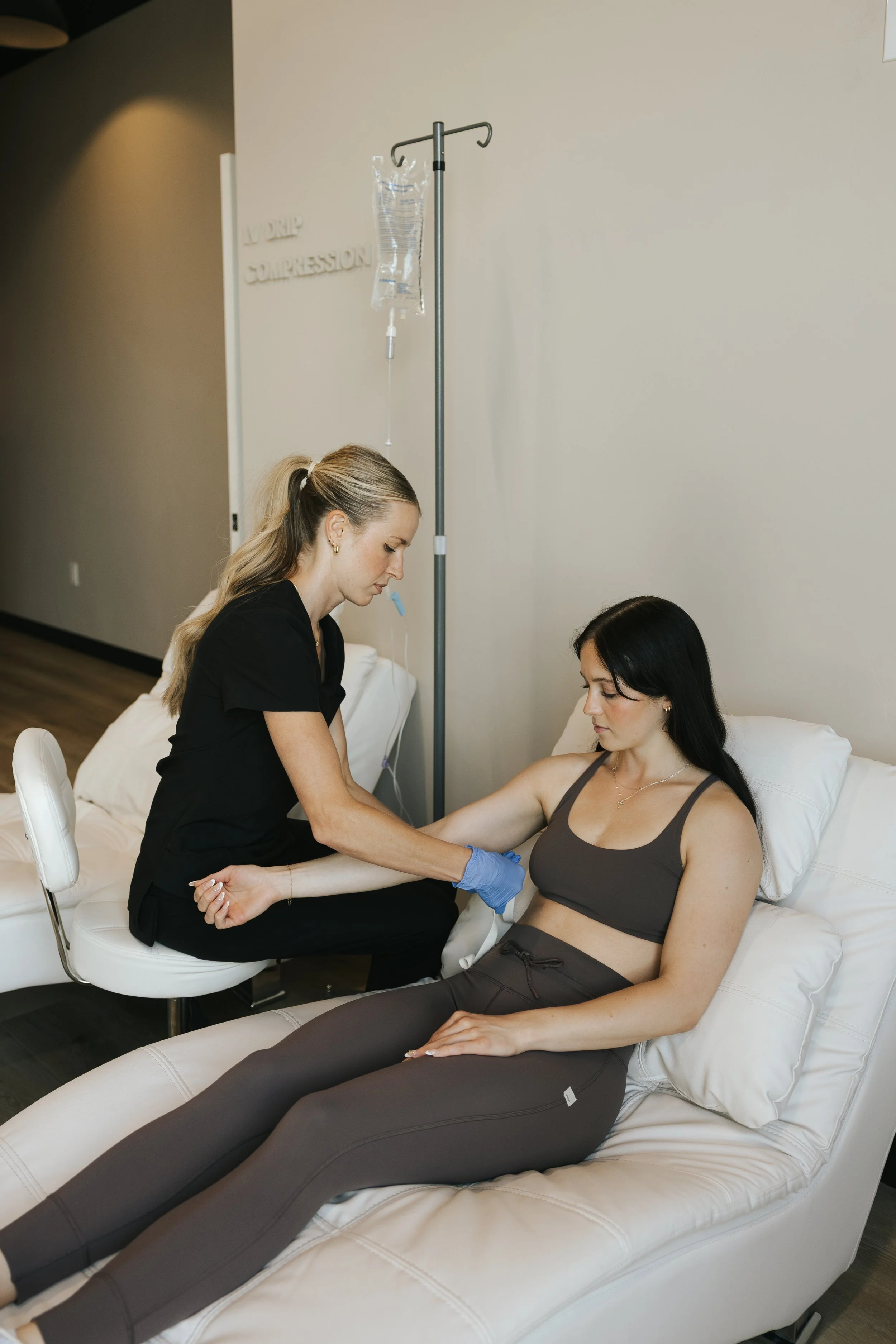
IV Therapy for Illness Recovery at Home: Does It Help with Cold, Flu, and Dehydration?
IV therapy can help support recovery from cold, flu, nausea, and dehydration. Learn how in-home IV therapy works and why it’s popular in Utah County.
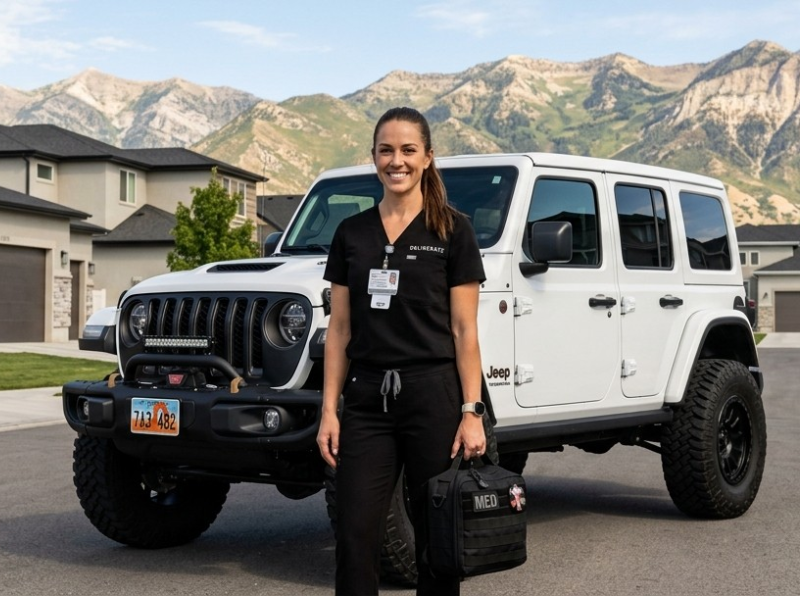
Mobile IV Therapy in Utah County: How In-Home IV Drips Work and Why People Choose Them
Mobile IV therapy in Utah County brings hydration, vitamins, and recovery directly to your home. Learn how in-home IV drips work and why more people are choosing this convenient option.
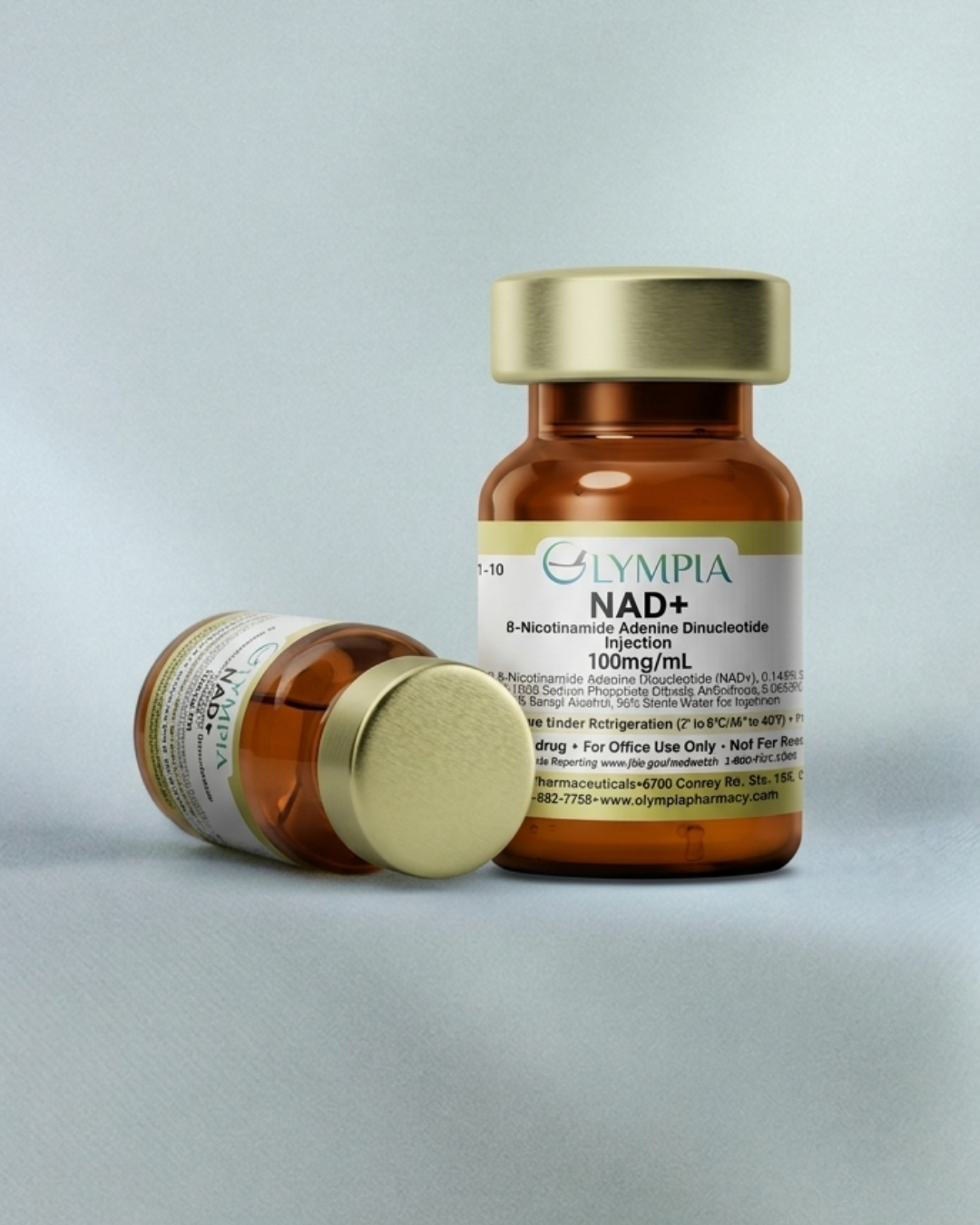
NAD+ Injections vs Supplements: How It Works and What’s Most Effective
What is NAD+ and is it better as an injection or supplement? Learn how NAD+ supports energy, brain function, and recovery, and why IM injections are often more effective than oral options.
Glutathione Injections vs Supplements: What’s the Best Way to Take It?
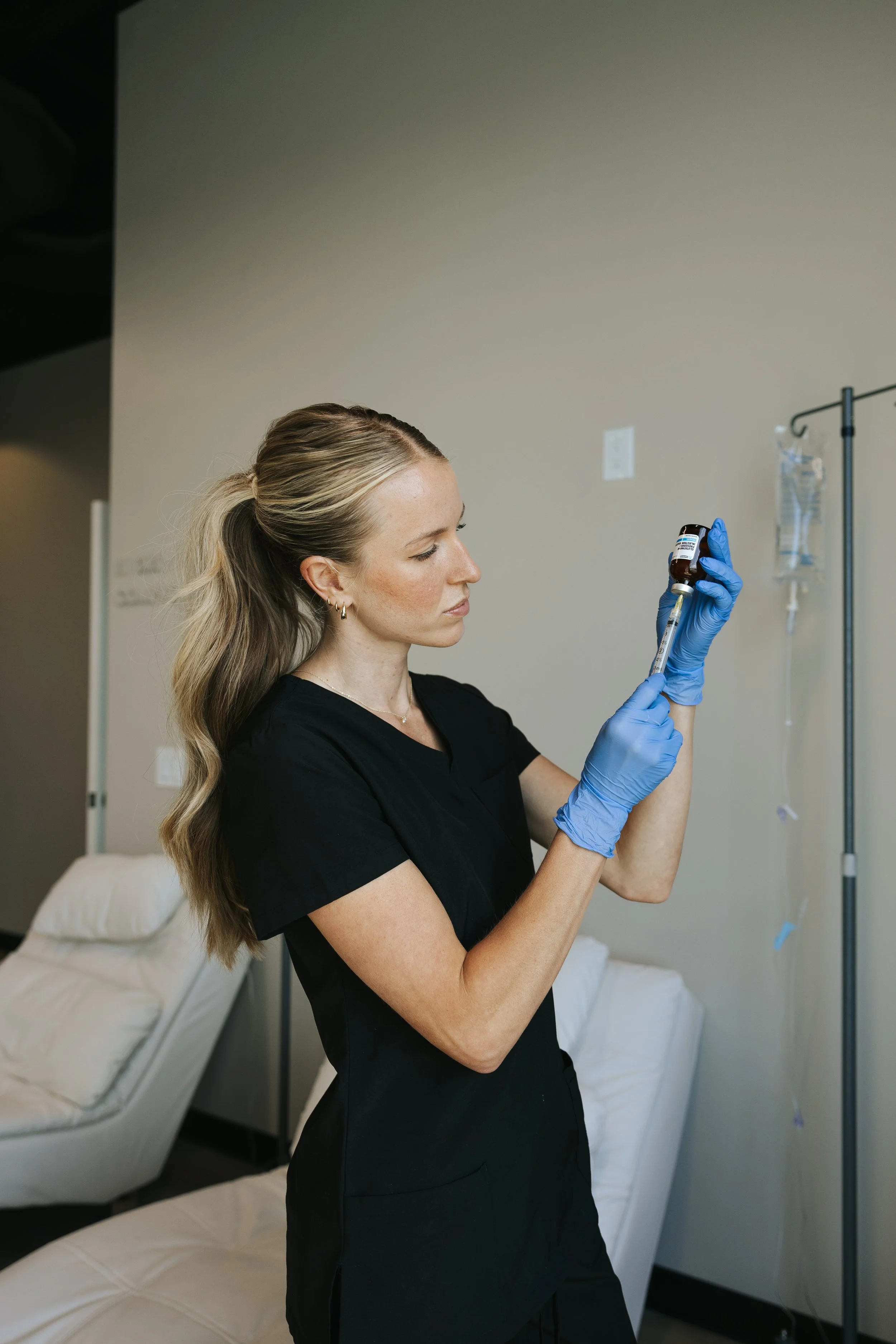
Is glutathione better as a supplement or injection? Learn how glutathione works in the body and why IVs and injections are more effective than oral supplements for real results.

Is IV Therapy Safe During Pregnancy? What to Know About B6, Nausea, and Hydration
Is IV therapy safe during pregnancy? Learn how vitamin B6, hydration, and essential nutrients can support nausea relief, energy, and overall wellness with pregnancy-safe IV options.

Peptides for Muscle Growth
Peptides are gaining attention for their potential role in muscle growth and recovery, but their effects are often misunderstood. Certain peptides work by stimulating the body’s natural growth hormone pathways, which can support protein synthesis, recovery, and lean muscle development when combined with proper training and nutrition.

CJC-1295 and Ipamorelin: How These Peptides Support Natural Growth Hormone
CJC-1295 and Ipamorelin are peptides often discussed for their ability to support the body’s natural growth hormone production. Rather than replacing hormones, they work by signaling the pituitary gland to release growth hormone in a more natural pattern. Understanding how these peptides work can help clarify both the potential benefits and the realistic expectations of peptide therapy.
The Best Fat Burning Peptide: Hype vs Reality
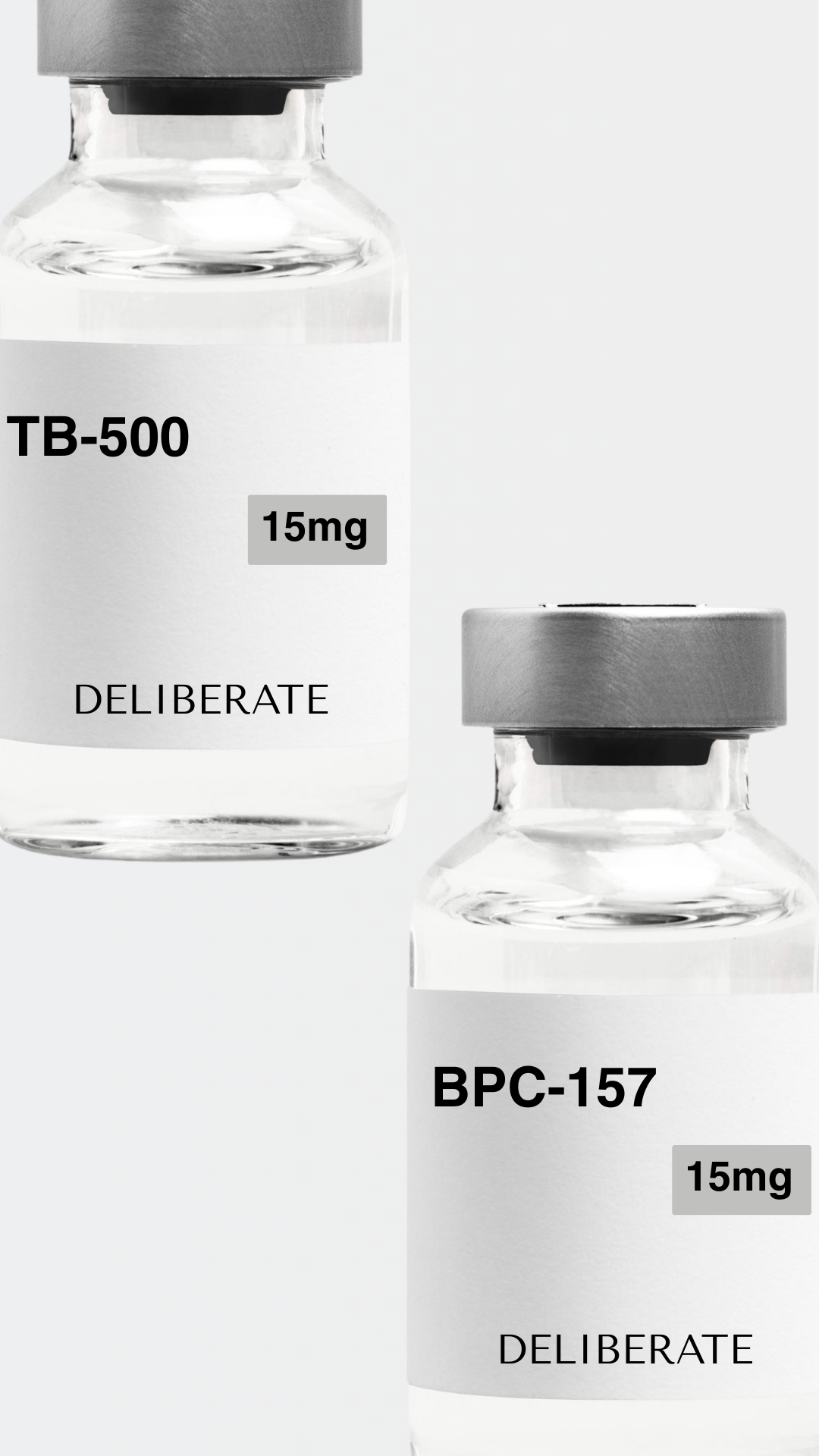
Peptides are often marketed as powerful “fat burners,” but the reality is more nuanced. While some peptides can support metabolism, appetite control, or hormone signaling, sustainable fat loss still depends on overall metabolic health, nutrition, and lifestyle, not a single injection.

TRT: Expectations vs. Reality for Patients
Thinking about testosterone replacement therapy (TRT)? With all the ads promising more energy, better workouts, and renewed vitality, it’s easy to picture TRT as a quick fix — but the reality is more nuanced. TRT isn’t about “supercharging” your hormones; it’s about restoring balance where your body is deficient and helping you feel more like yourself again.
In this guide, we separate the marketing hype from what most patients actually experience. You’ll learn how TRT works, why a doctor’s expertise matters, what timelines you can reasonably expect for improvements, and what the real trade-offs look like over weeks, months, and even years.

Understanding the Signs of High Testosterone
High testosterone often gets portrayed as a superpower — more muscle, more confidence, more drive. But when hormone levels climb too high, your body can start sending signals that something is out of balance.
From persistent acne and unexpected hair changes to mood shifts, sleep issues, and changes in libido, the signs of elevated testosterone can show up in ways many people don’t immediately recognize as hormonal. And while some symptoms differ between men and women, the root issue is the same: your body functions best in a healthy range, not at the extremes.
In this guide, we’ll walk through the physical and psychological signs of high testosterone, explain when “high” is healthy versus problematic, and show you how simple bloodwork can provide the clarity you need to understand what’s really happening.

Does Testosterone Cause Hair Loss
You start dialing in your health — lifting, eating better, maybe even considering testosterone support — and then you notice more hair in the shower drain. Naturally, the question hits: does testosterone cause hair loss?
It’s one of the most common misunderstandings in men’s health. The truth is, testosterone itself is not the direct cause of male pattern baldness. Instead, the real story involves a more potent hormone called DHT and, most importantly, the genetic sensitivity of your hair follicles.
In this guide, we’ll break down how testosterone is connected to hair loss, what role DHT actually plays, why genetics matter more than hormone levels, and what options exist for protecting your hair if you’re considering TRT or testosterone boosters.