Cryotherapy Before or After a Workout: How Timing Changes the Goal
Quick answer
Cryotherapy can be used before or after a workout, but timing changes the purpose. Before training, a brief whole-body session may increase alertness and help you feel ready; you still need a complete physical warmup afterward. After training, cryotherapy is commonly used for short-term soreness relief. If maximizing strength or muscle growth is the main goal, avoid making immediate post-lifting cold exposure an automatic habit because repeated cooling may interfere with some training adaptations.
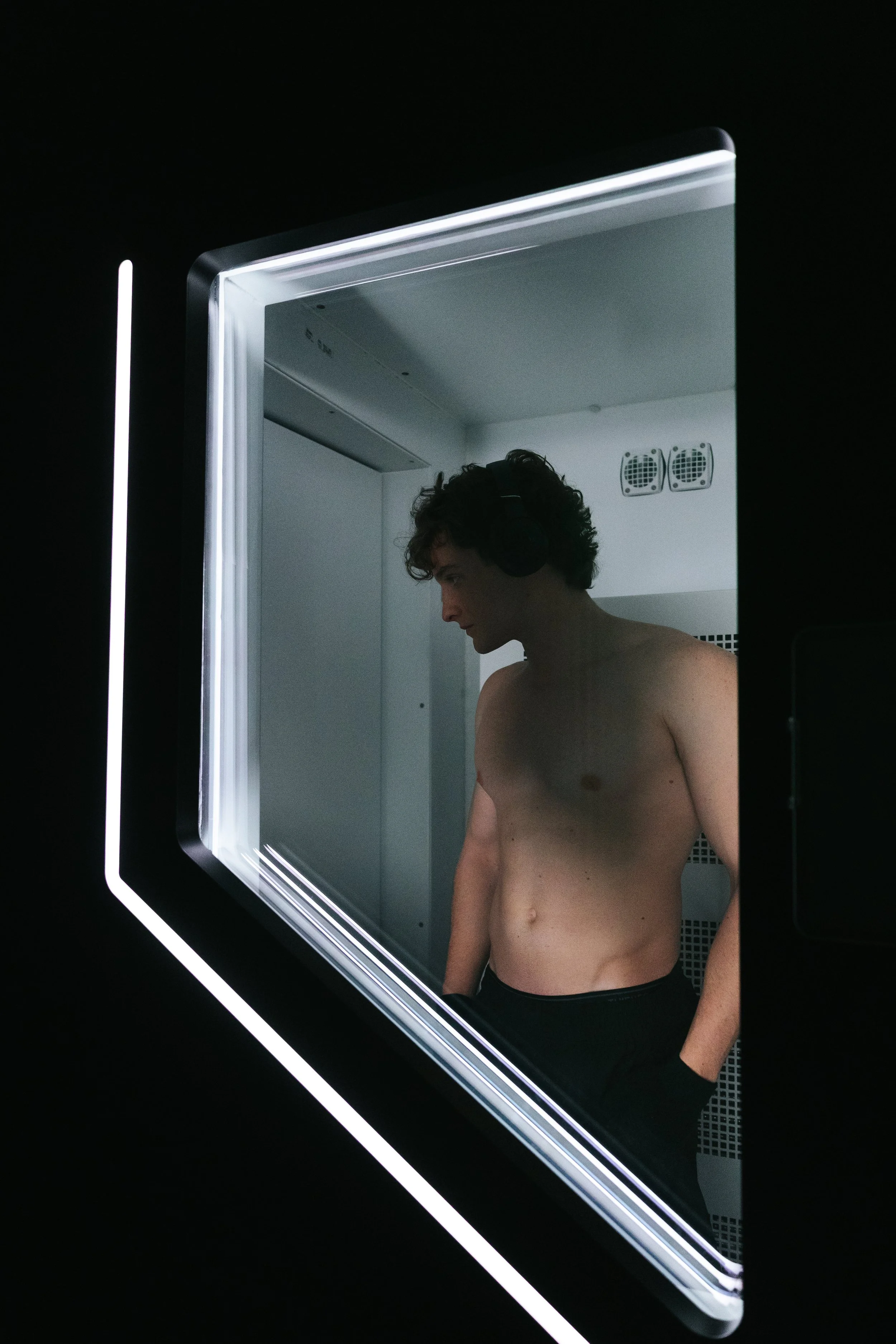
What whole-body cryotherapy does
Whole-body cryotherapy exposes you to very cold, dry air for a short, controlled session. Skin temperature drops quickly, while the exposure is far shorter than a cold-water immersion. People often describe an immediate energized feeling and temporary reduction in soreness.
Cryotherapy does not “freeze inflammation away,” detox the body, or replace treatment for an injury. It is one optional recovery modality, and outcomes depend on the person, training load, schedule, and protocol.
Cryotherapy before a workout
A pre-workout session may feel invigorating, but cold can temporarily change sensation and tissue temperature. After leaving the chamber, complete a gradual dynamic warmup and make sure normal feeling and movement have returned before heavy lifting, sprinting, or technical sport.
Pre-workout timing may make the most sense on days when alertness and perceived readiness matter more than relaxation. It is not the time to test an unfamiliar pressure, temperature, or routine immediately before competition.
Cryotherapy after cardio or competition
After a race, tournament, or unusually demanding endurance session, the short-term priority may be managing soreness and feeling functional for the next event. Post-exercise cryotherapy may fit that goal, especially when rapid turnaround matters.
Use it after you have stopped feeling overheated, replaced fluids, and checked for any injury that needs evaluation. Reduced pain perception can make you feel better without proving that damaged tissue has healed, so do not use temporary relief as permission to ignore a strain or overuse injury.

What about after strength training?
Cold-water immersion research has raised concerns that frequent immediate cooling after resistance exercise may blunt parts of the signaling involved in muscle growth. Whole-body cryotherapy is not identical to immersion, and the evidence is still developing, but the practical takeaway is sensible: if hypertrophy is your top goal, separate intense cold exposure from lifting when possible rather than using it after every session.
For general fitness or occasional soreness, the tradeoff may matter less. Your coach or clinician can help balance adaptation, comfort, and next-day performance.
A simple timing guide
Use cryotherapy before exercise only when you can warm up fully afterward. Use it after endurance or competition when short-term recovery is the priority. Move it several hours away from resistance training when maximizing muscle adaptation is the priority. Whatever the timing, follow screening and studio protocols.
Safety first
Cryotherapy is not appropriate for everyone. Pregnancy, uncontrolled high blood pressure, certain heart or circulation conditions, cold hypersensitivity, Raynaud’s symptoms, open wounds, and impaired sensation may require avoidance or medical clearance. Clothing and skin must be dry, protective gear must stay on, and jewelry should be removed.
Frequently Asked Questions
-
Before may support alertness when followed by a full warmup. After is more commonly used for short-term soreness. The best timing depends on whether readiness, rapid recovery, or long-term strength adaptation is the priority.
-
If maximizing muscle growth is the goal, consider separating intense cold exposure from resistance training. Evidence is evolving, so discuss your routine with a qualified professional.
-
Sessions are brief, commonly around two to three minutes, and should follow the facility’s screening, clothing, and supervision procedures.