Compression Boots After a Workout: Benefits, Timing, and What to Expect
Quick answer
Compression boots can be used after a workout to provide rhythmic pressure to the legs. Many athletes like the lighter, “flushed” feeling after a session, and research suggests pneumatic compression may modestly help perceived soreness and recovery. The boots are an add-on to recovery fundamentals—not a substitute for sleep, nutrition, hydration, or appropriate rehab.
How compression boots work
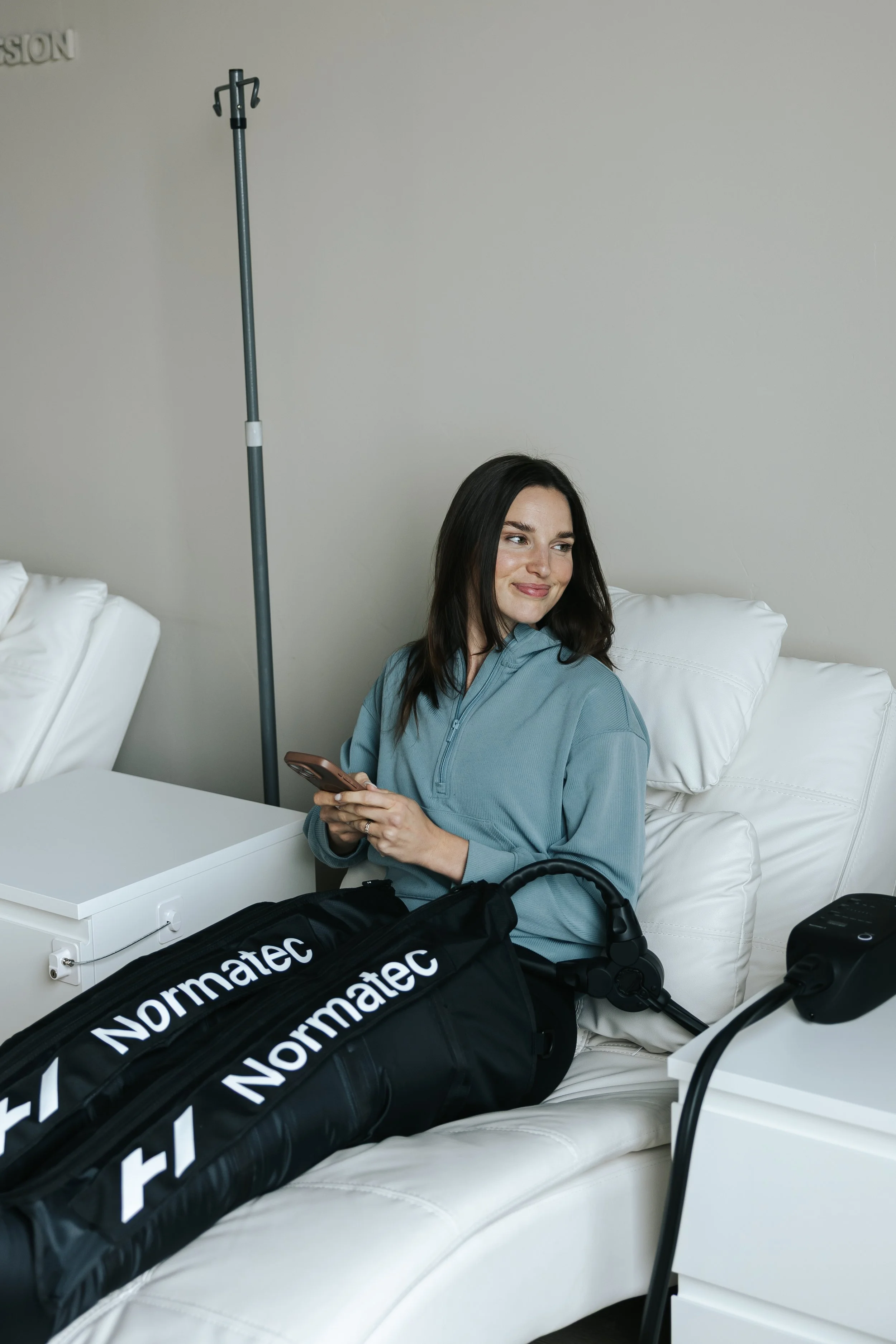
Pneumatic compression boots contain overlapping air chambers that inflate and release in sequence, usually moving pressure from the feet toward the thighs. That pattern is designed to support the normal movement of fluid through the limbs while you sit or recline.
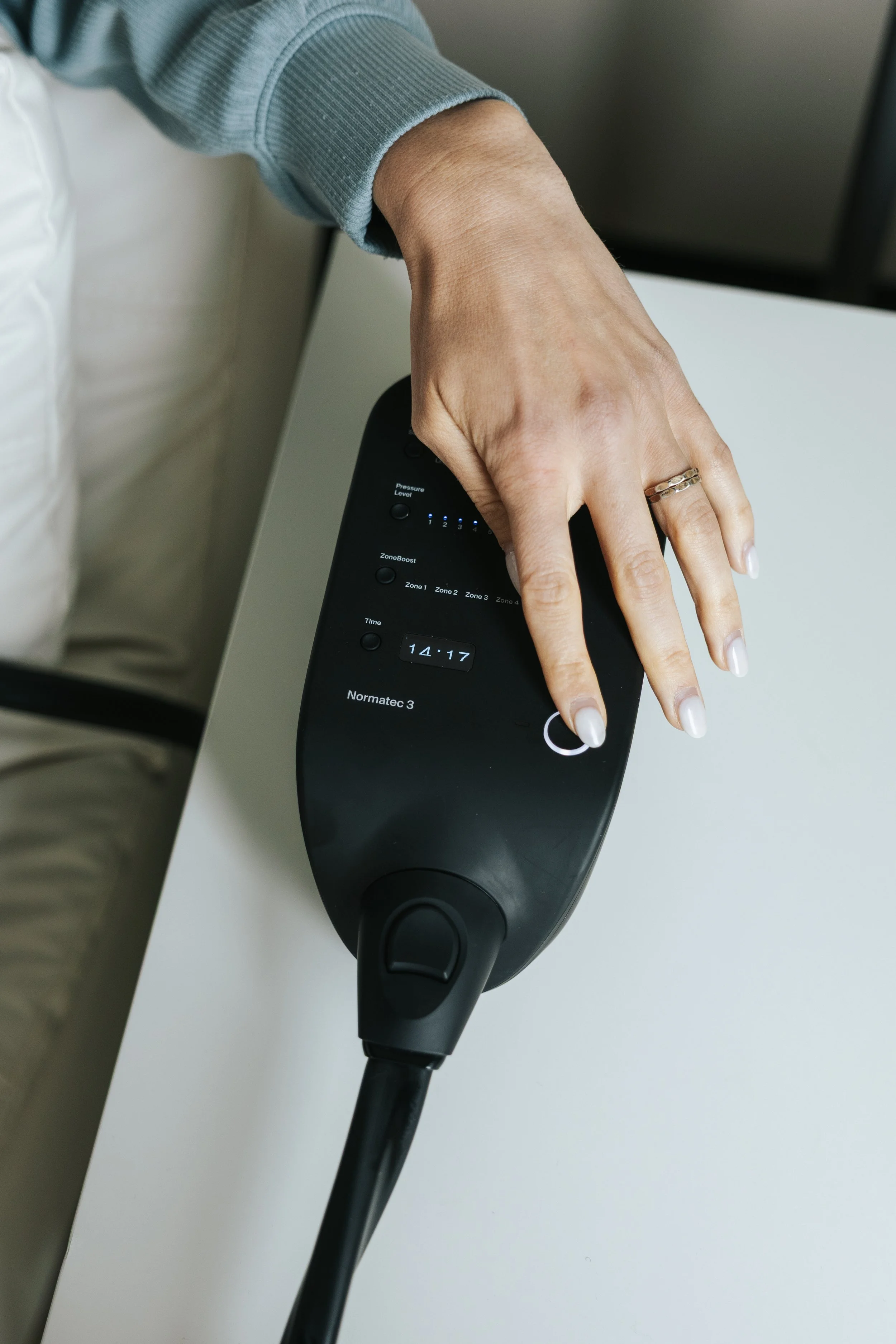
The sensation should feel firm but comfortable, not painful or numb. A higher pressure is not necessarily more effective. The right setting lets you relax without tingling, discoloration, or discomfort.
Why athletes use them after training
Hard lifting, running, cycling, and field sports can leave the legs feeling heavy. Compression boots offer passive recovery: you can sit still while the chambers cycle. Some people report less perceived muscle soreness and a faster return to a fresh-leg feeling, although individual results vary.
The most practical advantage may be behavioral. A 20- to 30-minute session creates a dedicated window to cool down, hydrate, and stop rushing. That ritual can make recovery more consistent even when the physiological effect is modest.
Best timing and session length
You can use compression boots soon after a workout or later the same day. There is no proven narrow “anabolic window” for pneumatic compression. Choose the time you can repeat consistently without delaying food, fluids, or sleep.
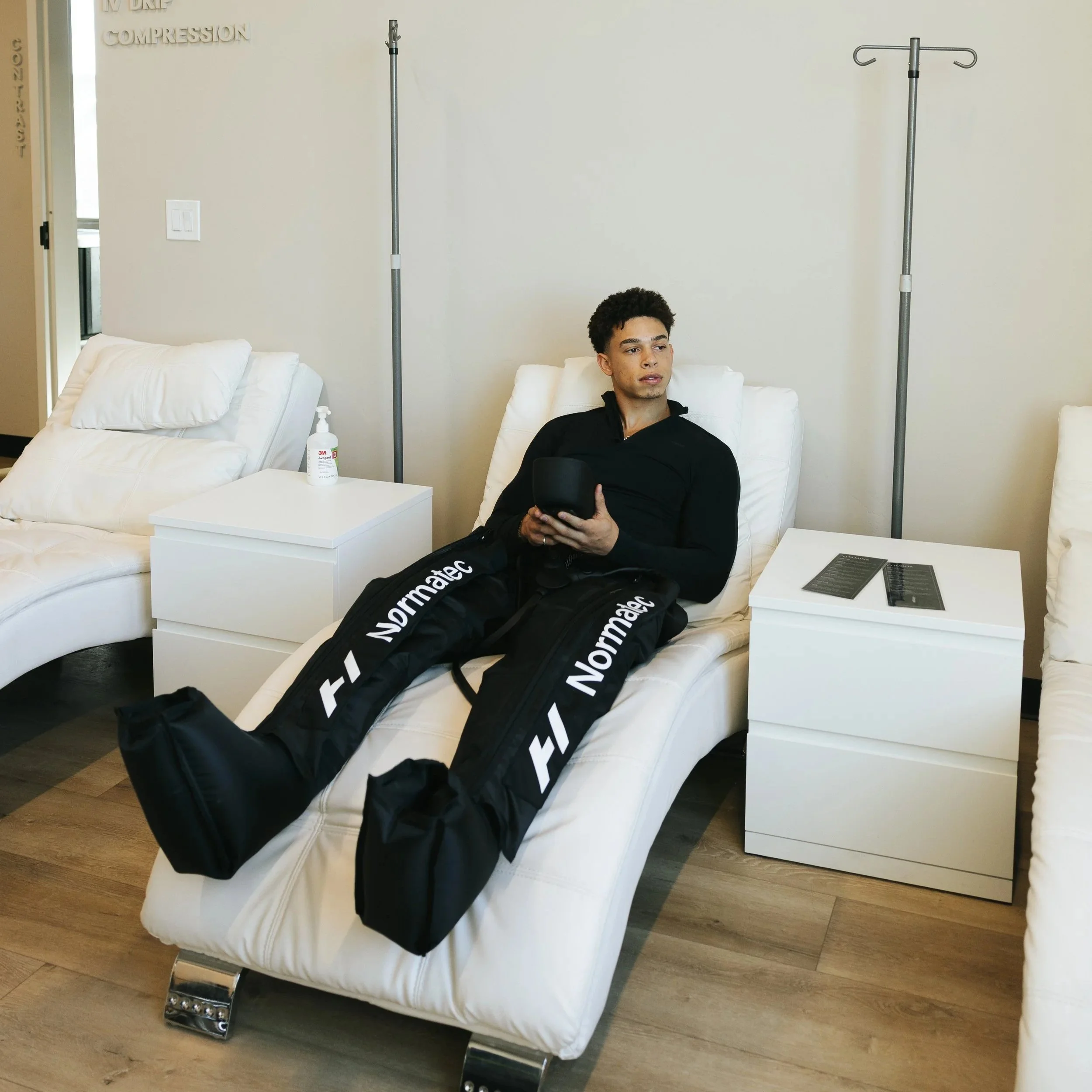
A typical studio session lasts about 20 to 30 minutes. Start with a comfortable pressure and let the team know if one leg feels different from the other. For a recovery stack, compression can follow cryotherapy or red light therapy because it requires little effort and gives you time to settle.
Compression boots versus stretching or massage
These tools are not interchangeable. Gentle mobility helps maintain range of motion. Massage applies hands-on pressure to specific tissues. Compression boots apply broad, repeating pressure across the legs. You can use more than one approach, but adding tools should serve a clear goal rather than turning recovery into another exhausting workout.
If soreness is severe, one-sided, associated with swelling, or getting worse, skip self-directed recovery tools and seek medical advice. Those symptoms may signal more than routine post-exercise soreness.
Who should avoid compression boots?
Do not use pneumatic compression over an acute injury, open wound, or active skin infection. People with a known or suspected blood clot, severe peripheral artery disease, uncontrolled heart failure, or significant loss of sensation should get medical clearance first. Stop immediately if you develop pain, numbness, shortness of breath, or unusual swelling.
Try compression therapy in Vineyard, Utah
Deliberate Wellness Studio offers compression therapy for athletes, weekend adventurers, and anyone whose legs feel tired after a long day. Our team can help select a comfortable setting and combine the session with a realistic recovery plan.
Frequently Asked Questions
-
They may help some people feel less sore or heavy after training. Benefits vary, and the boots work best alongside sleep, hydration, nutrition, and sensible programming.
-
Many sessions last 20 to 30 minutes. Start with a comfortable pressure and follow the equipment or studio guidance.
-
No. They can complement recovery, but they do not replace gradual cooling down, hydration, mobility when appropriate, or medical care for an injury.