Red Light Therapy Before or After a Workout: Which Timing Is Best?
Quick answer
You can use red light therapy before or after a workout, but the better timing depends on your goal. A short session before training may support circulation and help muscles feel ready to move. A session after training is usually chosen to complement recovery and manage normal post-workout soreness. Consistency matters more than chasing a perfect minute-by-minute window.
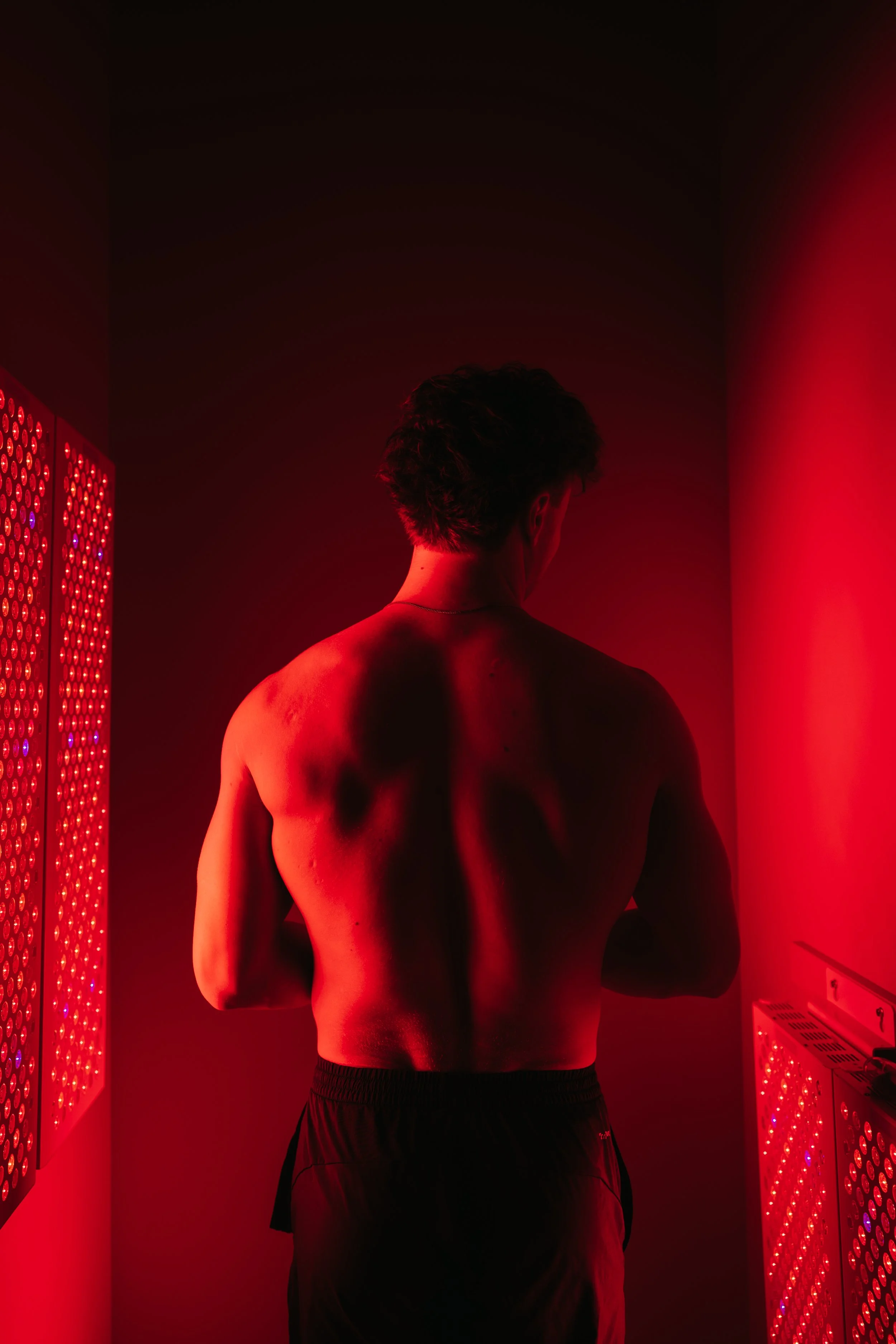
How red light therapy works
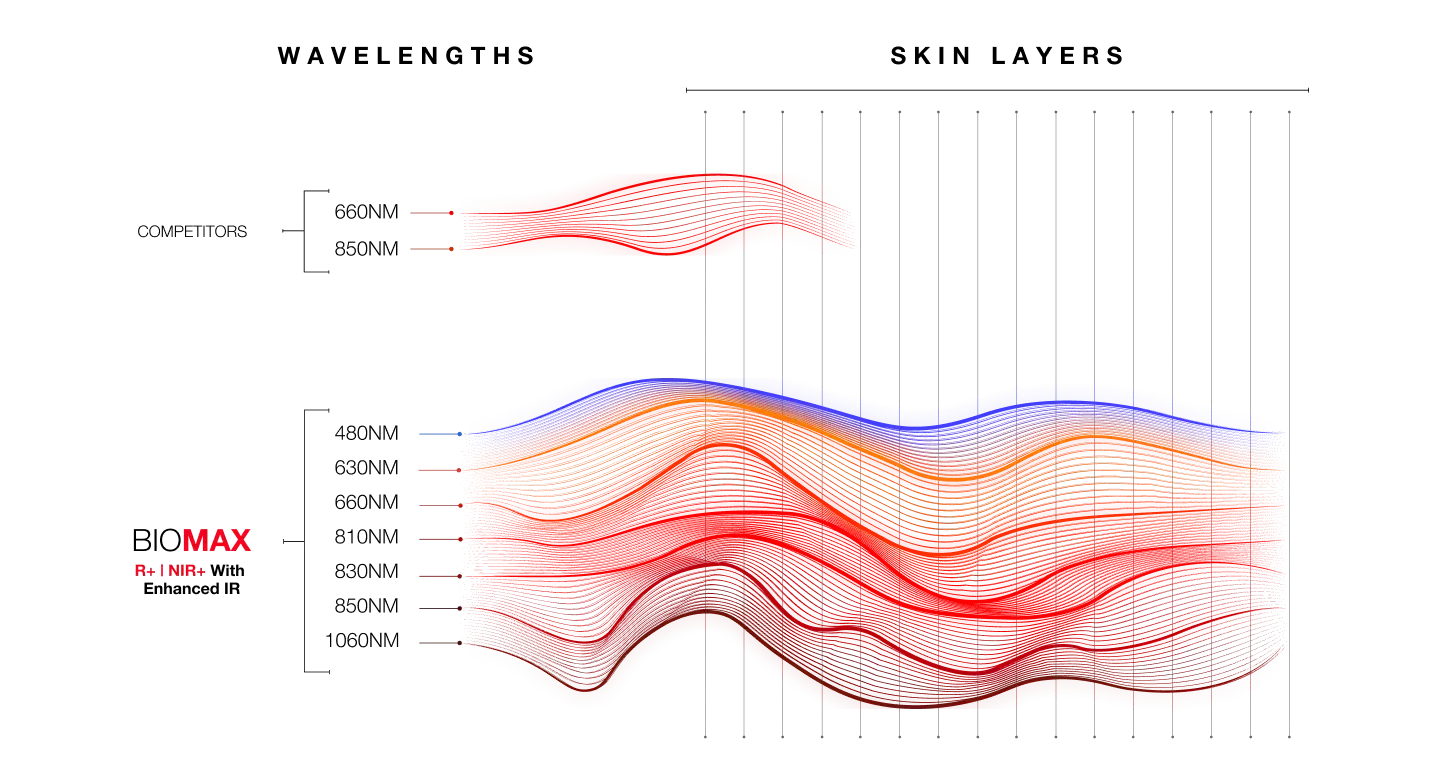
Red light therapy—also called photobiomodulation—uses specific red and near-infrared wavelengths. These wavelengths are absorbed by light-sensitive molecules in cells and may influence cellular energy production and signaling. That is different from ultraviolet light: a properly designed red-light device does not tan the skin.
Research on exercise and red light therapy is promising, but results vary by device, wavelength, dose, treatment area, and training program. It should be treated as a recovery tool, not a replacement for progressive training, protein, hydration, or sleep.
Using red light therapy before a workout
Pre-workout sessions appeal to people who want a gentle, non-stimulating warmup. Light exposure does not replace dynamic movement, but it may complement a normal warmup by supporting local circulation and helping stiff areas feel more comfortable.
Keep the routine simple: expose the muscle groups you plan to train, follow the device’s recommended distance, and leave enough time for your regular mobility and ramp-up sets. More exposure is not automatically better. Device output differs, so use the studio or manufacturer protocol rather than copying a dose from a different panel.
Using red light therapy after a workout
Post-workout use is the more intuitive choice for many athletes. Training creates temporary fatigue and microscopic muscle stress; recovery is the process of adapting to that work. Red light therapy may support that process and may help reduce perceived soreness for some people.
Use it after you have cooled down and rehydrated. You do not need to race from the final set to the panel. A practical routine is one you can repeat two to four times per week and adjust based on how your body responds.
Which timing should you choose?
Choose before training when readiness and mobility are the priority. Choose after training when soreness and recovery are the priority. On demanding training days, some people split a conservative dose before and after, but that should be guided by the device protocol.
At Deliberate Wellness Studio in Vineyard, Utah, red light therapy can be paired with compression, sauna, or another recovery service. Our team can help you build a sequence that fits your training instead of stacking every modality at once.
Safety and who should ask a clinician first
Red light therapy is generally well tolerated, but eye protection and device instructions matter. Ask a healthcare professional before use if you take photosensitizing medication, have a light-sensitive condition, are being treated for cancer, or have an unexplained skin lesion. Stop if you experience discomfort, unusual redness, headache, or eye symptoms.
Frequently Asked Questions
-
Neither is universally better. Before training may support readiness; after training is commonly used to complement recovery. Match timing to your goal and use the recommended dose.
-
Session length depends on the panel’s power, wavelength, distance, and treatment area. Follow the device or studio protocol rather than assuming a longer session is more effective.
-
Some protocols allow frequent use, but the appropriate schedule depends on the device and your health. Start conservatively and follow professional guidance.