Dry Float Therapy Benefits: What to Expect From a Zerobody Session
Quick answer
Dry float therapy creates a floating sensation without requiring you to enter a saltwater tank. You remain dry and clothed while a flexible surface supports your body over warm water. People commonly choose it for deep relaxation, a quiet mental reset, and relief from the feeling of pressure on tired muscles and joints.
What is dry float therapy?
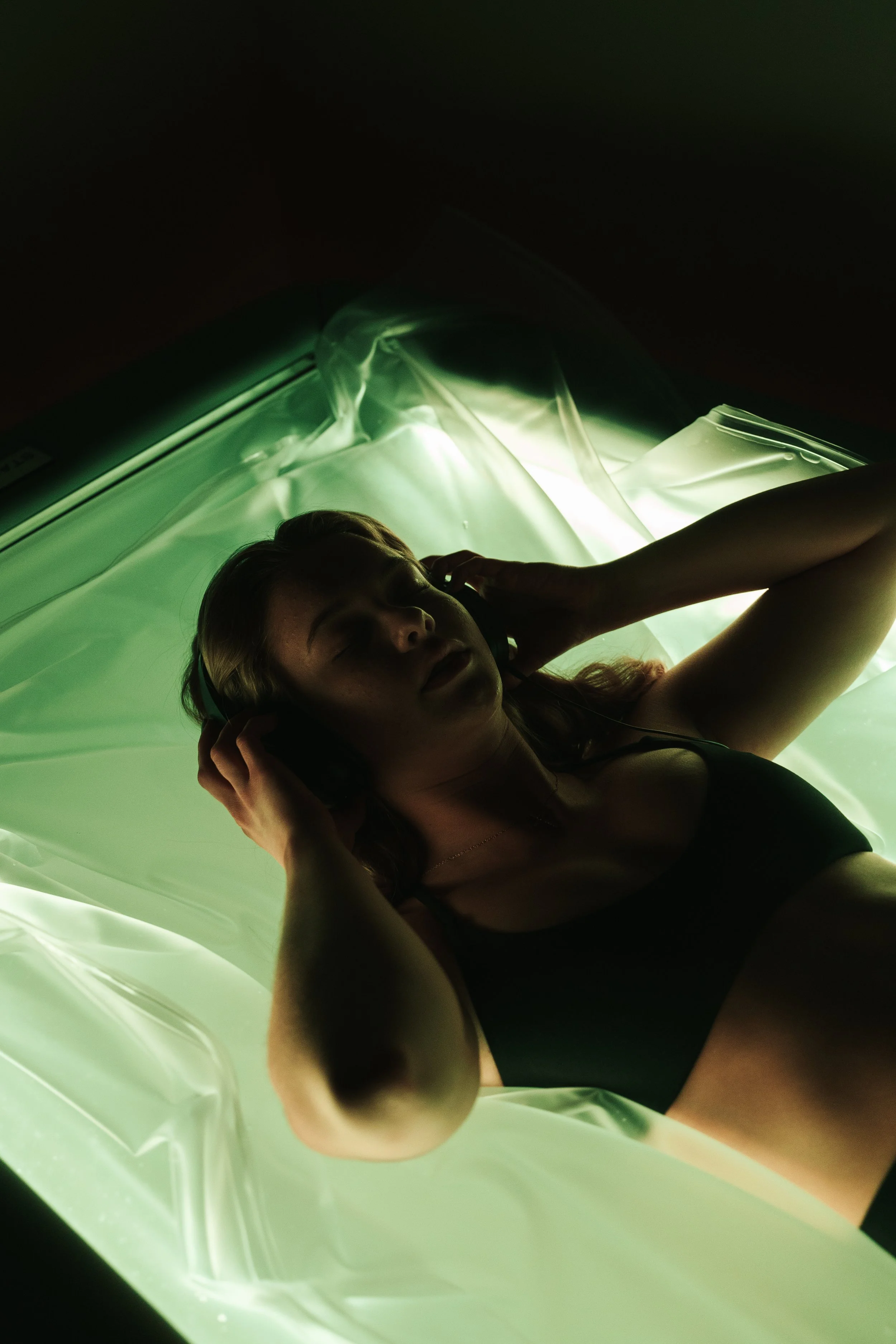
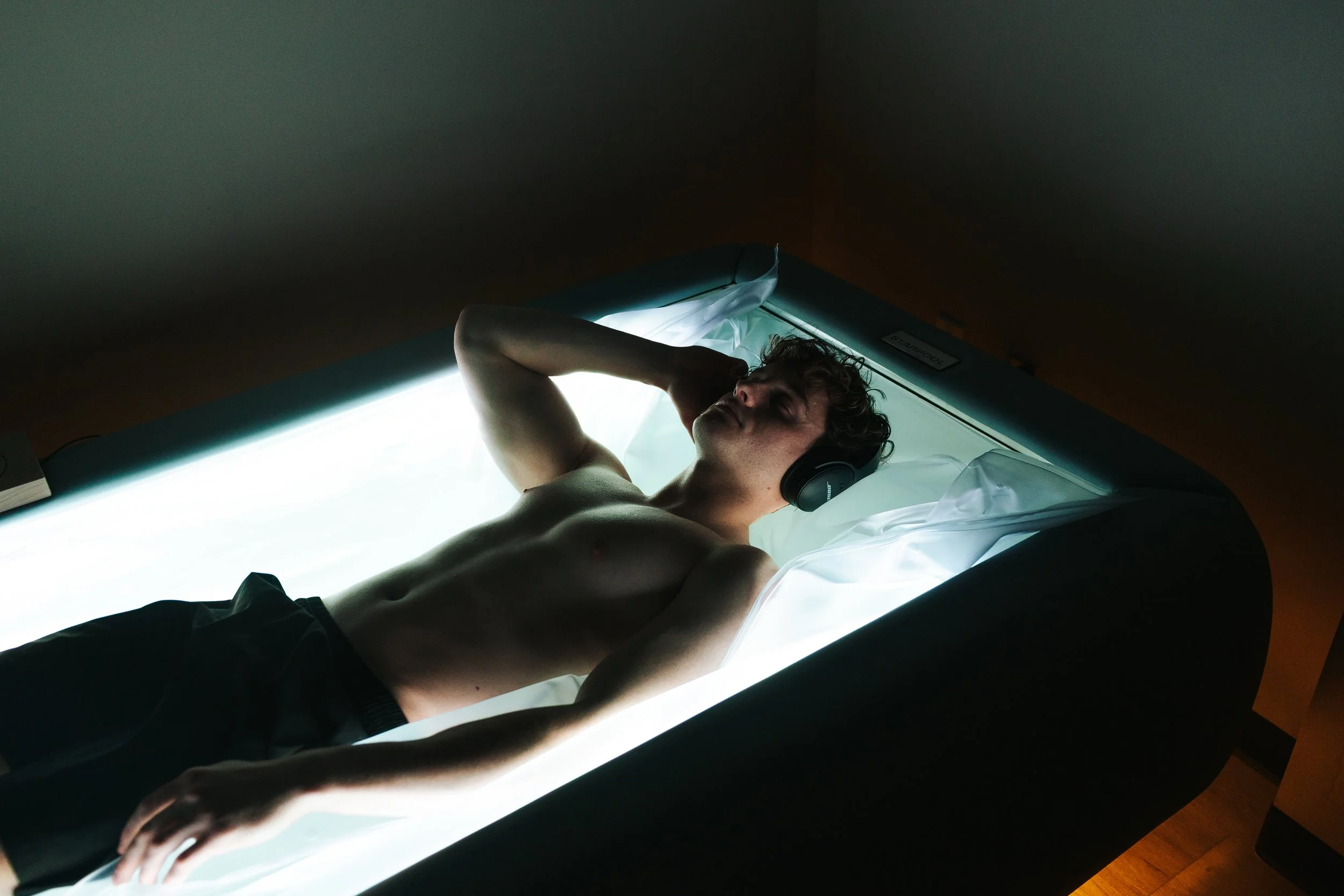
Traditional float therapy places your body directly in a shallow pool of highly salted water. Zerobody dry float therapy separates you from the water with a soft membrane. The water beneath the surface moves and supports your weight, creating a sensation similar to floating while your clothing, hair, and skin stay dry.
That design removes several barriers associated with a conventional float tank. There is no need to shower, change into swimwear, manage salt on the skin, or enter an enclosed pod. It is an accessible way to experience reduced external stimulation during a busy day.
Potential benefits of dry floating
The clearest benefit is relaxation. When your body feels fully supported, you may find it easier to release muscle tension and slow your breathing. The quiet environment also gives your nervous system a break from screens, notifications, and constant decision-making.
Athletes and active adults may appreciate the feeling of reduced pressure after hard training, long drives, or hours on their feet. Dry floating does not repair an injury or replace physical therapy, but it can fit into a broader recovery routine built around rest, hydration, movement, and appropriate medical care.
Some guests use a session as a mindfulness practice. Because there is little to do, attention naturally shifts toward breathing and body awareness. Others simply nap. Both are valid ways to use the time.
What does a session feel like?
You lie back on the dry surface while warm water supports you from below. After a few minutes, many people notice less awareness of pressure points at the shoulders, hips, and heels. The experience is quiet and low effort; you do not need to balance, swim, or hold a position.
Wear comfortable clothing and silence your phone. A light meal and normal hydration beforehand are usually more comfortable than arriving overly full. Afterward, stand slowly and give yourself a moment before returning to a hectic schedule.
Who may enjoy dry float therapy?
Dry floating may appeal to people who want relaxation without heat or extreme cold, beginners who feel unsure about a traditional sensory-deprivation tank, office workers carrying neck and back tension, and athletes planning an easy recovery day. It can also pair well with red light or compression therapy when the goal is a calm, low-impact reset.
Important precautions
Dry float therapy is a wellness service, not a treatment for anxiety, insomnia, chronic pain, or another medical condition. If you are pregnant, have a recent injury, experience dizziness when lying down or standing, or have a condition that makes transfers difficult, ask your clinician and tell the studio team before your session.
Frequently Asked Questions
-
No. A flexible surface separates you from the warm water, so you can remain clothed and dry throughout the session.
-
No. Both aim to reduce pressure and stimulation, but dry floating does not place you in saltwater or require an enclosed pod.
-
Frequency is personal. Some people use it weekly for relaxation, while others book it after demanding training or stressful periods. Choose a schedule that feels helpful and sustainable.