Glutathione Injections vs Supplements: What’s the Best Way to Take It?
Glutathione has become one of the most talked-about nutrients in wellness and medical performance.
You’ve probably heard it called:
“The master antioxidant”
A key for detoxification
A tool for energy, skin, and recovery
But one question comes up constantly:
“Is glutathione better as a supplement, or as an injection or IV?”
Short answer:
Glutathione is far more effective when delivered by injection or IV compared to oral supplements.
The reason comes down to how your body absorbs and uses it.
This guide breaks down what glutathione actually does, why it’s so important, and why delivery method matters more than most people realize.
Summary
Glutathione is the body’s primary antioxidant, responsible for neutralizing oxidative stress, supporting detoxification, and protecting cells from damage. While oral glutathione supplements are widely available, they are often poorly absorbed due to breakdown in the digestive system. In contrast, intramuscular injections and IV therapy deliver glutathione directly into the bloodstream, making them significantly more effective for raising levels and supporting overall health.
What Is Glutathione?
Glutathione is a naturally occurring compound made from three amino acids:
Glutamine
Cysteine
Glycine
It’s found in nearly every cell in your body.
Why It Matters
Glutathione plays a central role in:
Neutralizing free radicals (oxidative stress)
Supporting liver detoxification
Protecting cells from damage
Supporting immune function
Maintaining mitochondrial health
If your body had a built-in defense and cleanup system, glutathione would be at the center of it.
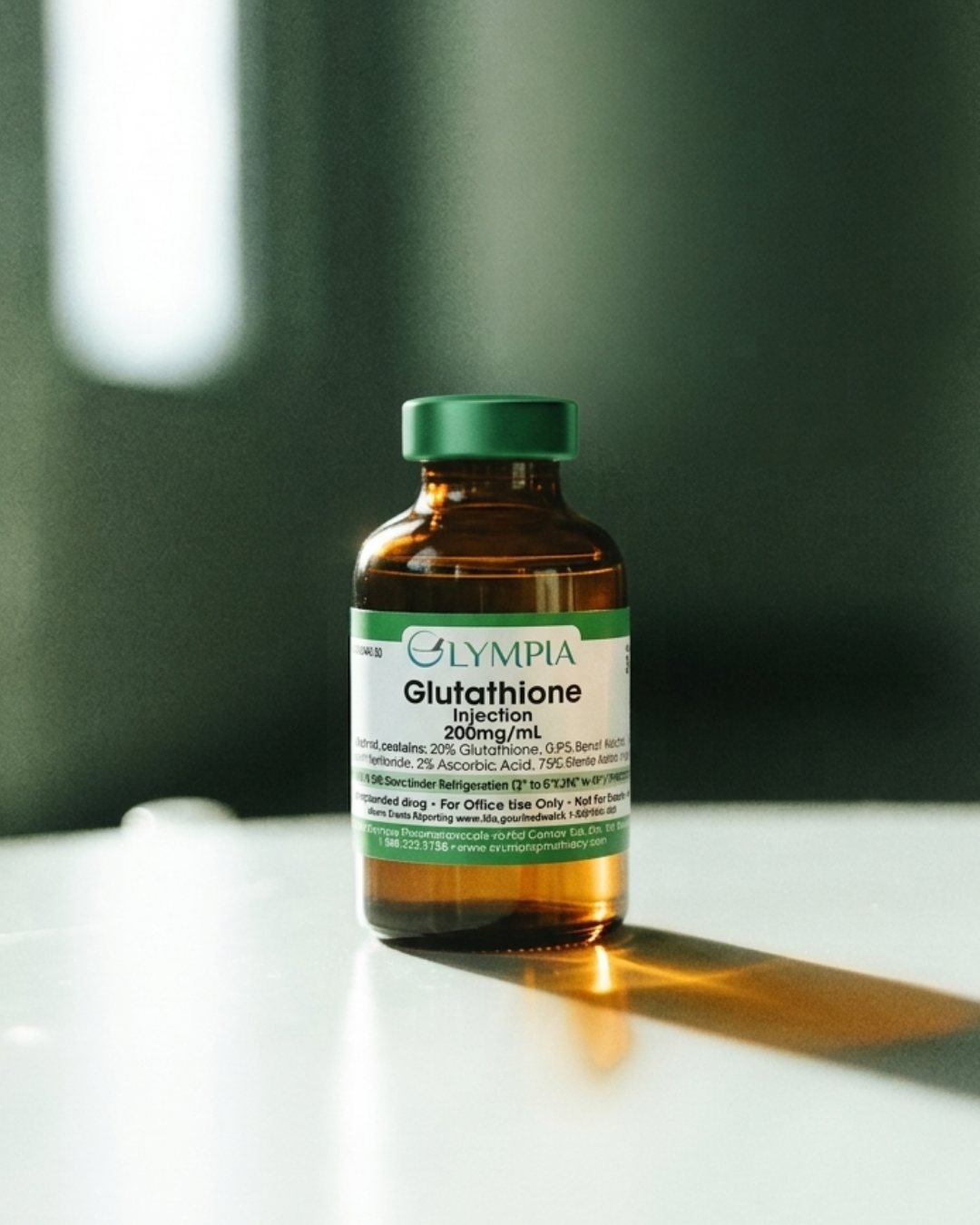
Why It’s Called the “Master Antioxidant”
Your body uses many antioxidants—vitamin C, vitamin E, and others.
But glutathione is different.
Think of it like this:
Other antioxidants are like individual workers
Glutathione is the manager that keeps everything running
It doesn’t just neutralize damage—it also:
Helps regenerate other antioxidants
Supports detox pathways in the liver
Maintains cellular balance
This is why it’s often referred to as the master antioxidant.
How the Body Uses Glutathione
Every day, your body is exposed to:
Environmental toxins
Inflammation
Metabolic waste
Stress
All of these create oxidative stress.
Glutathione works by:
Binding to harmful compounds
Neutralizing them
Helping your body eliminate them
You can think of it like a cleanup crew that identifies damage and helps remove it before it builds up.
Why Glutathione Levels Can Drop
Your body produces glutathione naturally—but levels can decrease over time.
Common factors include:
Chronic stress
Poor sleep
Illness or inflammation
Environmental toxin exposure
Aging
As levels drop, your body becomes less efficient at:
Managing inflammation
Recovering from stress
Maintaining energy
This is why people often look to supplement or restore glutathione levels.
The Problem With Oral Glutathione Supplements
Oral glutathione supplements are widely available—but absorption is the main limitation.
What happens when you take glutathione orally?
Before it reaches your bloodstream, it has to pass through your digestive system.
During this process:
It is broken down into its individual amino acids
Much of the original compound is lost
Blood levels may not increase significantly
Simple analogy:
Taking glutathione orally is like:
Sending a fully built product through a system that disassembles it before it arrives.
Your body may rebuild some of it—but not efficiently.
Why Injections and IV Therapy Work Better
Intramuscular (IM) injections and IV therapy bypass digestion entirely.
What this means:
Glutathione enters directly into circulation
Higher bioavailability
Faster and more noticeable effects
Another way to think about it:
Oral supplements = indirect support
Injections/IV = direct delivery
This difference is why many clinics prioritize injections and IV therapy for glutathione.

Intramuscular Glutathione vs IV Glutathione
Both delivery methods are effective—but they serve slightly different purposes.
Intramuscular (IM) Injections
Quick and efficient
Delivered into muscle tissue
Gradual absorption into bloodstream
Ideal for routine use
IM injections are often used as a simple, consistent way to maintain glutathione levels.
IV Glutathione
Delivered directly into the bloodstream
Often combined with other nutrients
Higher peak levels
At Deliberate Wellness, glutathione is commonly included in IV blends alongside:
Vitamin C
B vitamins
Amino acids
This allows for a more comprehensive approach to:
Recovery
Immune support
Overall wellness
What Are the Benefits of Glutathione Therapy?
When glutathione levels are supported effectively, people often notice improvements in:
Energy and Recovery
Glutathione supports mitochondrial function, which plays a key role in energy production.
Detoxification Support
It plays a central role in liver detox pathways, helping process and eliminate toxins.
Immune Function
Supports the body’s ability to respond to stress and illness.
Skin Health
Glutathione is often associated with improved skin clarity and overall appearance due to its role in reducing oxidative stress.
Inflammation Balance
Helps regulate inflammatory responses in the body.
Who Might Benefit From Glutathione Support?
Glutathione therapy may be considered for individuals experiencing:
Chronic fatigue
High stress levels
Frequent illness
Inflammation
Recovery from intense training
General wellness optimization
In active communities like Vineyard, Orem, and across Utah County, many people use glutathione as part of a broader recovery and performance routine.

Is More Always Better?
Not necessarily.
Like most things in the body, balance matters.
The goal isn’t to overload your system—it’s to support optimal levels based on your needs.
This is why glutathione is often used:
In combination with other nutrients
As part of a structured plan
With guidance from a provider
Final Takeaway
The question isn’t just:
“Should I take glutathione?”
It’s:
“What’s the most effective way for my body to actually use it?”
While oral supplements may offer some support,
injections and IV therapy provide a more direct and effective way to increase glutathione levels.
For many people, this difference in delivery is what determines whether they actually feel the benefits.