Sauna Then Cold Plunge Benefits: Order, Timing and Recovery
Sauna Then Cold Plunge Benefits: Should You Do Sauna or Cold Plunge First?
Few recovery routines feel as dramatic as stepping out of a hot sauna and into cold water. The combination is often called contrast therapy, and interest in sauna then cold plunge benefits has exploded among athletes and wellness enthusiasts.
But does the order actually matter? How long should you stay in each? And does cooling off immediately after a sauna erase some of the benefits of heat exposure?
The science gives us useful clues, but there is not one perfect sauna-and-cold-plunge protocol for every goal.
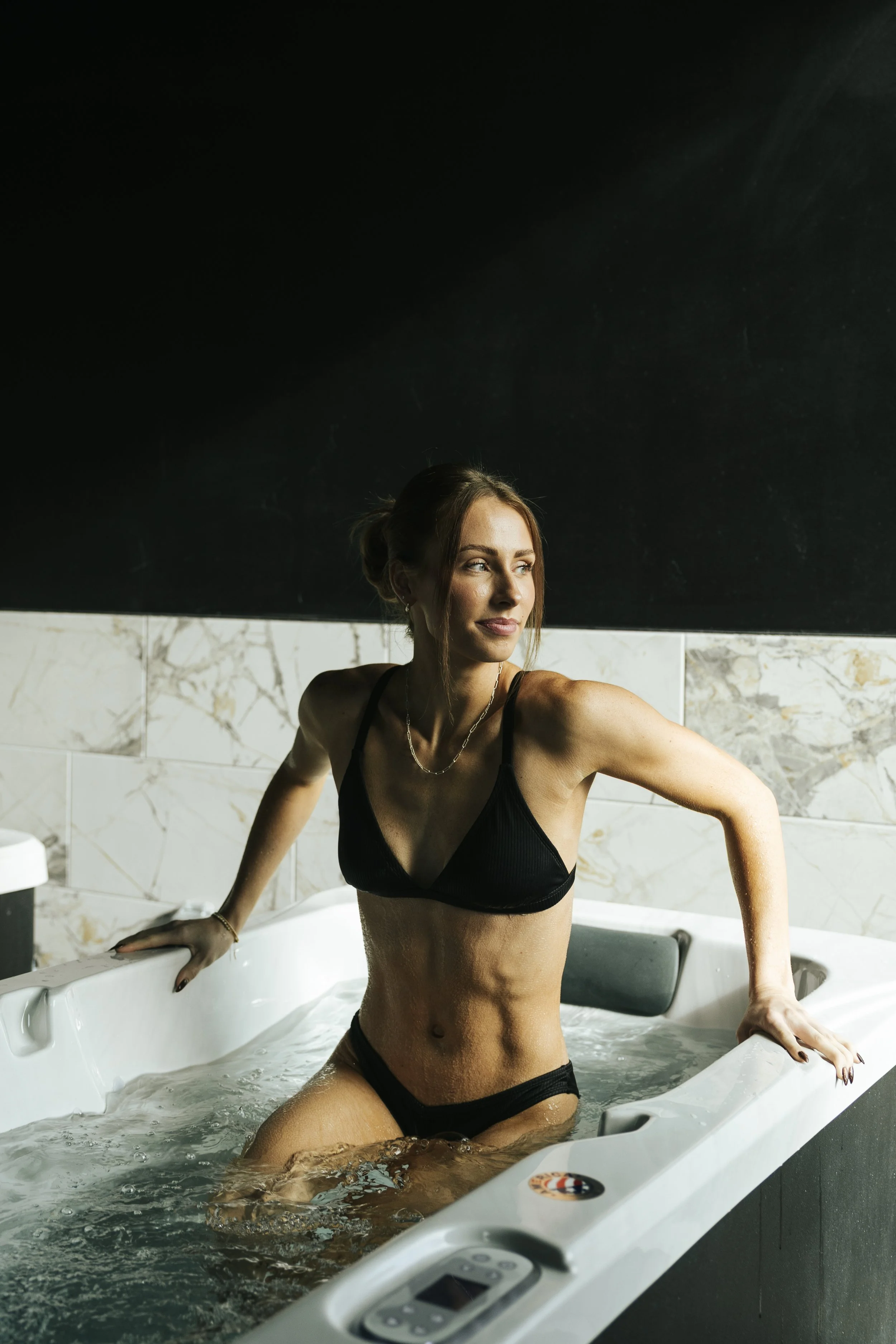
Why Combine Sauna and Cold Plunge?
Sauna and cold-water immersion create almost opposite thermal experiences.
During sauna exposure, your body works to dissipate heat. Skin blood flow rises, sweating increases and heart rate typically climbs. During cold-water immersion, skin temperature falls quickly, peripheral blood vessels constrict and the body works to preserve core temperature.
Alternating the two produces a rapid shift in thermal and cardiovascular demands. That is one reason people describe contrast therapy as both physically intense and mentally refreshing.
What Are the Benefits of Sauna Then Cold Plunge?
1. Rapid Cooling After Heat Exposure
The most obvious benefit of a cold plunge after sauna is cooling. A controlled study published in 2026 found that cold-water immersion between sauna bouts reduced core and skin temperature and lowered heart rate compared with passive air cooling. Participants also reported lower thermal sensation and better tolerance for a subsequent sauna session.
This makes cold immersion useful when your goal is to cool efficiently between rounds or finish a sauna session feeling refreshed.
2. Exercise Recovery
Cold-water immersion has been extensively studied in sports recovery. It may reduce perceived muscle soreness and help athletes feel recovered after strenuous endurance or high-intensity exercise.
Sauna, meanwhile, can provide a relaxing environment after training and creates a separate heat stimulus. Combining them can make a practical recovery ritual, even though evidence that the combination itself is superior to each modality alone remains limited.
3. Cardiovascular and Circulatory Responses
Sauna causes an acute increase in skin circulation and heart rate. Cold immersion rapidly changes peripheral circulation. Moving between hot and cold therefore creates pronounced vascular responses.
It is tempting to describe this as “flushing toxins” or “pumping blood through the body,” but those phrases oversimplify the physiology. Your liver and kidneys handle detoxification. Contrast therapy is better described as a controlled thermal stimulus that changes blood flow, heart rate and temperature regulation.
4. Stress and Mental Reset
A sauna session encourages stillness and relaxation. A cold plunge demands immediate attention to breathing and discomfort. Many people find the transition mentally energizing.
This subjective experience is one of the most practical benefits of a sauna-and-cold-plunge routine: it creates a defined period where you are focused on recovery rather than work, screens or daily distractions.
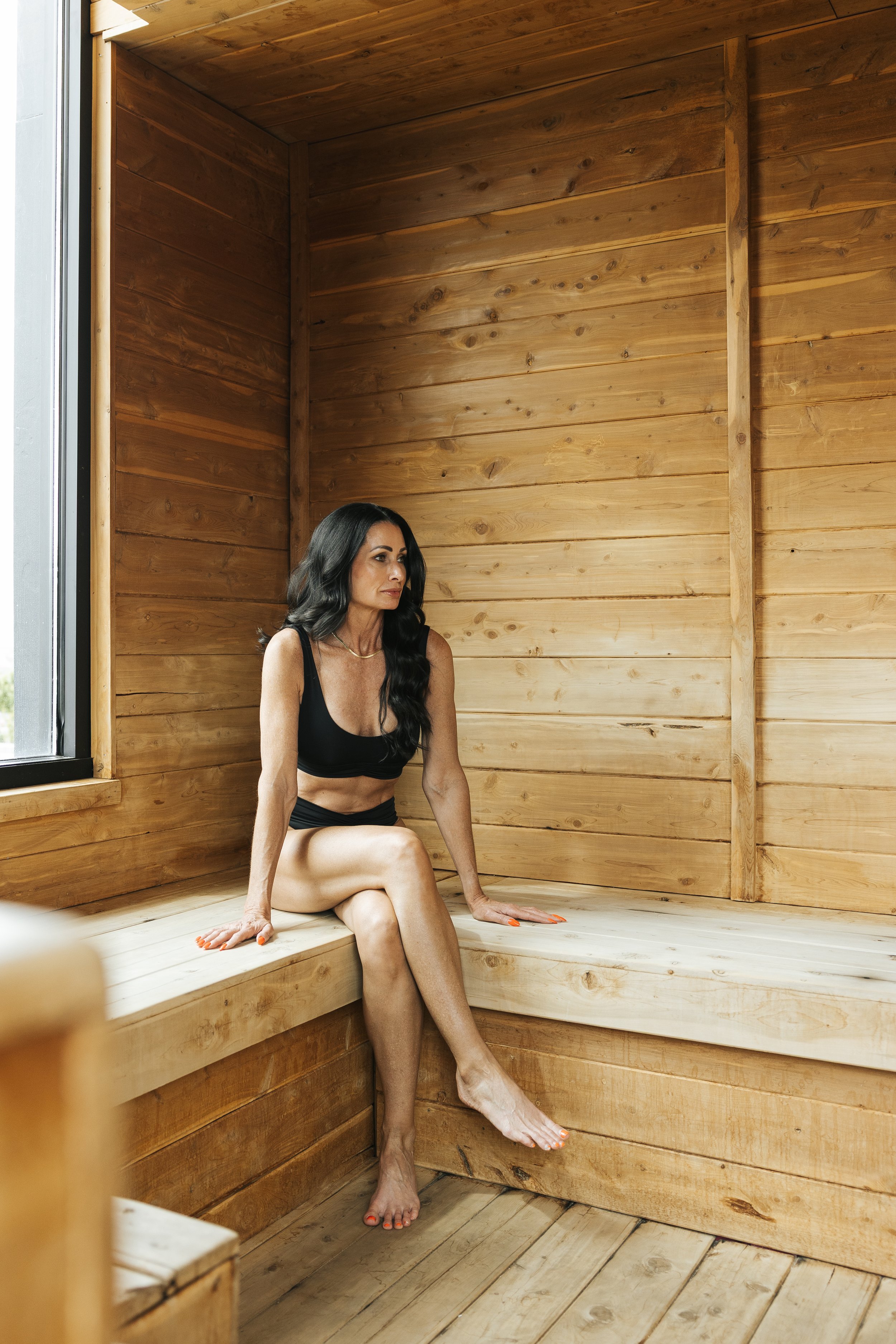
Should You Sauna or Cold Plunge First?
For a traditional contrast therapy session, sauna first and cold plunge second is the most intuitive order.
Starting with sauna allows you to accumulate heat before using water to cool down. This also makes the transition into cold feel particularly intense.
However, your goal matters.
If maximizing the heat stimulus is your priority, consider completing your desired sauna exposure before prolonged cooling. If your priority is recovery, comfort or repeated rounds, a short cold plunge between sauna bouts may help you tolerate additional heat.
How Long Should You Sauna Before a Cold Plunge?
A practical starting point for healthy beginners is approximately 10–15 minutes of sauna exposure, depending on temperature and individual tolerance.
Experienced sauna users may stay longer, but there is no prize for reaching an arbitrary time. Hydration status, sauna temperature and personal heat tolerance all affect how quickly the body responds.
How Long Should You Cold Plunge After Sauna?
Beginners do not need several minutes in near-freezing water.
Start with roughly 30–60 seconds at a tolerable cold temperature. Focus on controlled breathing and exit before you become excessively numb, dizzy or unable to control your breathing.
As you adapt, you can adjust duration and temperature gradually. Colder and longer are not automatically healthier.
A Simple Sauna and Cold Plunge Routine
For general wellness and recovery, try:
• Sauna: 10–15 minutes
• Cold plunge: 30–90 seconds
• Rest: several minutes until comfortable
• Repeat: 2–3 rounds if well tolerated
Finish according to your goal and preference. Some people enjoy finishing cold because they feel energized. Others prefer finishing with heat or returning to a neutral temperature because they find it more relaxing.
Does Cold Plunging After Sauna Reduce Sauna Benefits?
This is an important question that deserves nuance.
Cooling immediately after sauna clearly reduces body temperature faster than passive cooling. If some desired adaptation depends on maintaining an elevated body temperature for a particular period, aggressive cooling could theoretically change that thermal dose.
However, we do not currently have strong long-term evidence showing that a brief post-sauna cold plunge eliminates sauna's health benefits.
The better approach is to match the protocol to the goal rather than assuming one routine is universally superior.
What About Cold Plunging After Strength Training?
Strength athletes should be more strategic with cold-water immersion. Research suggests that repeated cold-water immersion immediately after resistance training may attenuate some adaptations associated with muscle hypertrophy.
If gaining maximum muscle mass is your primary objective, consider doing your cold plunge at another time rather than immediately after every lifting session.
For endurance events, competitions or situations where rapid recovery is more important than maximizing long-term hypertrophy, the tradeoff may be different.
Who Should Be Careful With Sauna and Cold Plunge?
Both heat and cold affect cardiovascular function. Rapid transitions can be particularly demanding.
People with cardiovascular disease, uncontrolled high blood pressure, pregnancy, a history of fainting or significant medical conditions should discuss sauna and cold-water immersion with a qualified healthcare professional.
Avoid alcohol before sauna or cold exposure, stay hydrated and never use extreme temperatures as a competition.
Sauna and Cold Plunge in Utah County
At Deliberate Wellness in Vineyard, contrast therapy makes it easy to combine sauna and cold plunge in one recovery session. For Utah County skiers, runners, cyclists, lifters and anyone looking to build a consistent wellness routine, having both modalities in the same location removes much of the friction.
Deliberate Wellness serves clients throughout Vineyard, Orem, Provo, Lehi, American Fork and surrounding Utah County communities.
The Bottom Line
The biggest sauna then cold plunge benefits are practical: sauna provides a meaningful heat stimulus, while cold-water immersion rapidly cools the body and may support perceived recovery after hard exercise.
For most people interested in contrast therapy, sauna first followed by a short, controlled cold plunge is a sensible starting point. Just remember that the “best” order depends on whether your priority is heat adaptation, athletic recovery, relaxation or simply enjoying the experience.
FAQS
-
For many healthy adults, a short cold plunge after sauna can be a practical way to cool down and create a contrast therapy session. Individual health conditions can change what is appropriate.
-
You do not necessarily need to wait. Many contrast protocols transition directly from sauna to cold, while others include a short rest period.
-
There is no universal answer. Finishing cold may feel energizing, while finishing warm or neutral may be more relaxing. Choose based on your goal and tolerance.
-
Beginners can start with one round. Two or three rounds may be reasonable for experienced healthy users, provided the temperatures and durations are well tolerated.
Internal Links
Research notes: Topical optimization includes sauna bathing, cold-water immersion, thermoregulation, heat exposure, peripheral circulation, recovery, muscle soreness, hypertrophy and contrast therapy while avoiding unsupported detox claims.