Red Light Therapy Benefits: What Athletes and Active Adults Should Know
Red light therapy has become a regular part of recovery routines for athletes, weekend warriors, and people who simply want their bodies to feel better after hard training or long days. Also called photobiomodulation, it uses specific red and near-infrared wavelengths that are absorbed by light-sensitive molecules in cells.
Unlike the timing question of “before or after a workout,” this article focuses on the broader benefits people seek from red light therapy and how it can fit into a realistic recovery plan.
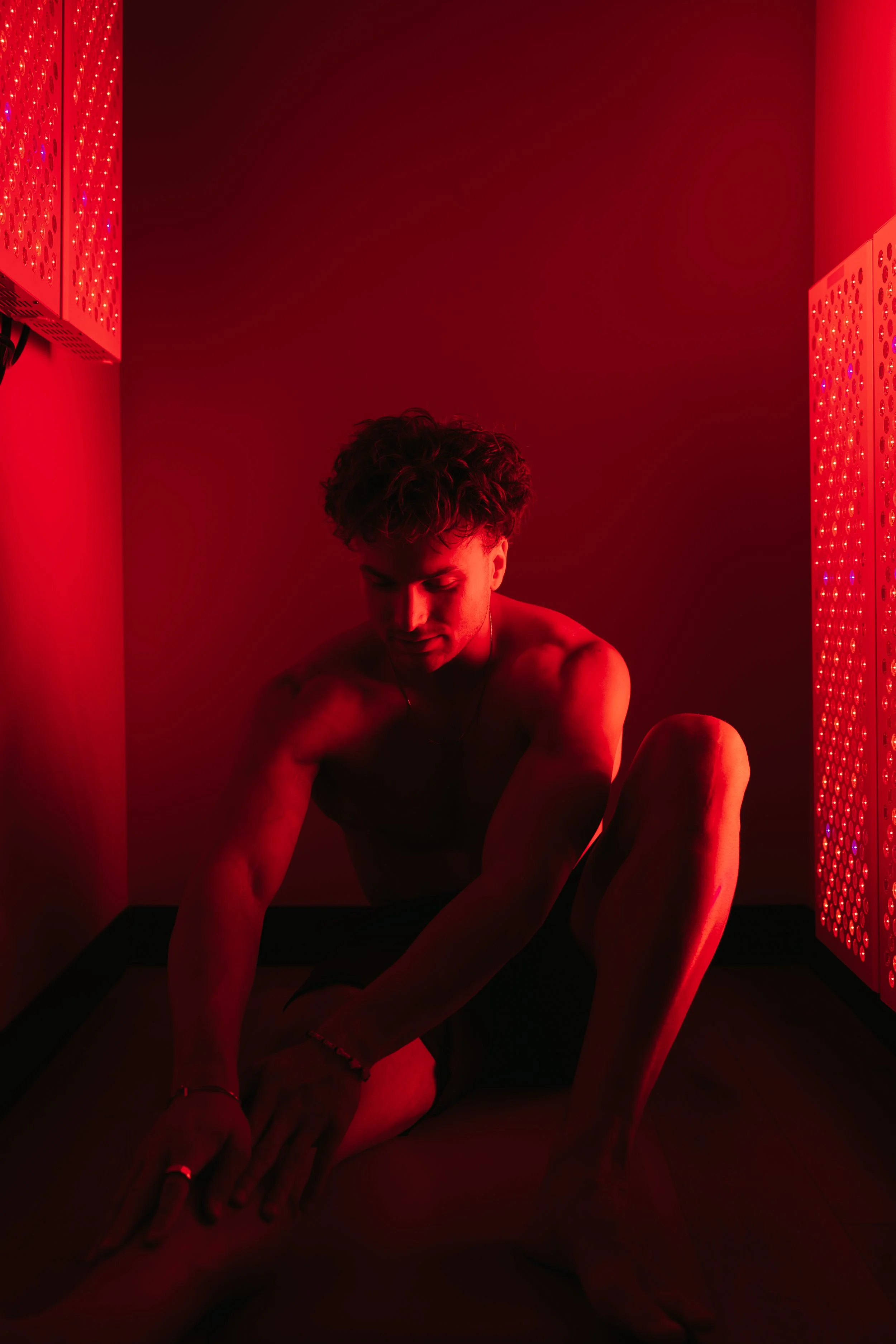
How Red Light Therapy Works
Red and near-infrared light are non-ionizing and do not tan the skin the way ultraviolet light does. When these wavelengths reach tissue, they interact with cellular components involved in energy production and signaling.
Research suggests this interaction may influence oxidative stress, circulation in the treated area, and how cells respond to temporary stress from training. Results depend heavily on wavelength, dose, distance from the device, treatment area, and the individual. More exposure is not automatically better—photobiomodulation can follow a biphasic dose response, meaning the right amount matters more than the longest session.
Key Red Light Therapy Benefits for Recovery
1. Support for Muscle Recovery
After demanding exercise, muscles experience temporary stress and microscopic damage. Photobiomodulation has been studied for its potential to support the recovery process and the return of muscle function. While it does not replace progressive training, protein intake, or sleep, many athletes use it as a low-stress recovery modality between sessions.
2. Help with Perceived Soreness
Delayed-onset muscle soreness is common after new or intense training. Some research and athlete experience suggest red light therapy may help reduce the feeling of soreness for certain people. Responses vary, so it is best viewed as one tool among several rather than a guaranteed solution.
3. A Passive, Low-Impact Recovery Option
One practical advantage is that red light therapy requires almost no effort. You can remain still while receiving treatment, making it easy to pair with hydration, breathing, or simply resting. For athletes already carrying a high training load, passive recovery tools are often more sustainable than adding another demanding modality.
4. Consistency Over Intensity
Because sessions are relatively short and non-strenuous, red light therapy is easier to use regularly than modalities that require significant time, discomfort, or recovery of their own. For many people, the biggest benefit is simply showing up for recovery more consistently.
5. Complementary Use with Other Recovery Tools
Red light therapy pairs well with compression, dry float, sauna, or contrast therapy when the goal is a multi-modal recovery session. The key is choosing a sequence that feels restorative rather than stacking every available service into an exhausting routine.
What Red Light Therapy Is Not
It is not a replacement for sleep, nutrition, progressive overload, or medical care. It does not “detox” the body, melt fat, or build muscle on its own. Claims that go far beyond current evidence should be viewed skeptically.
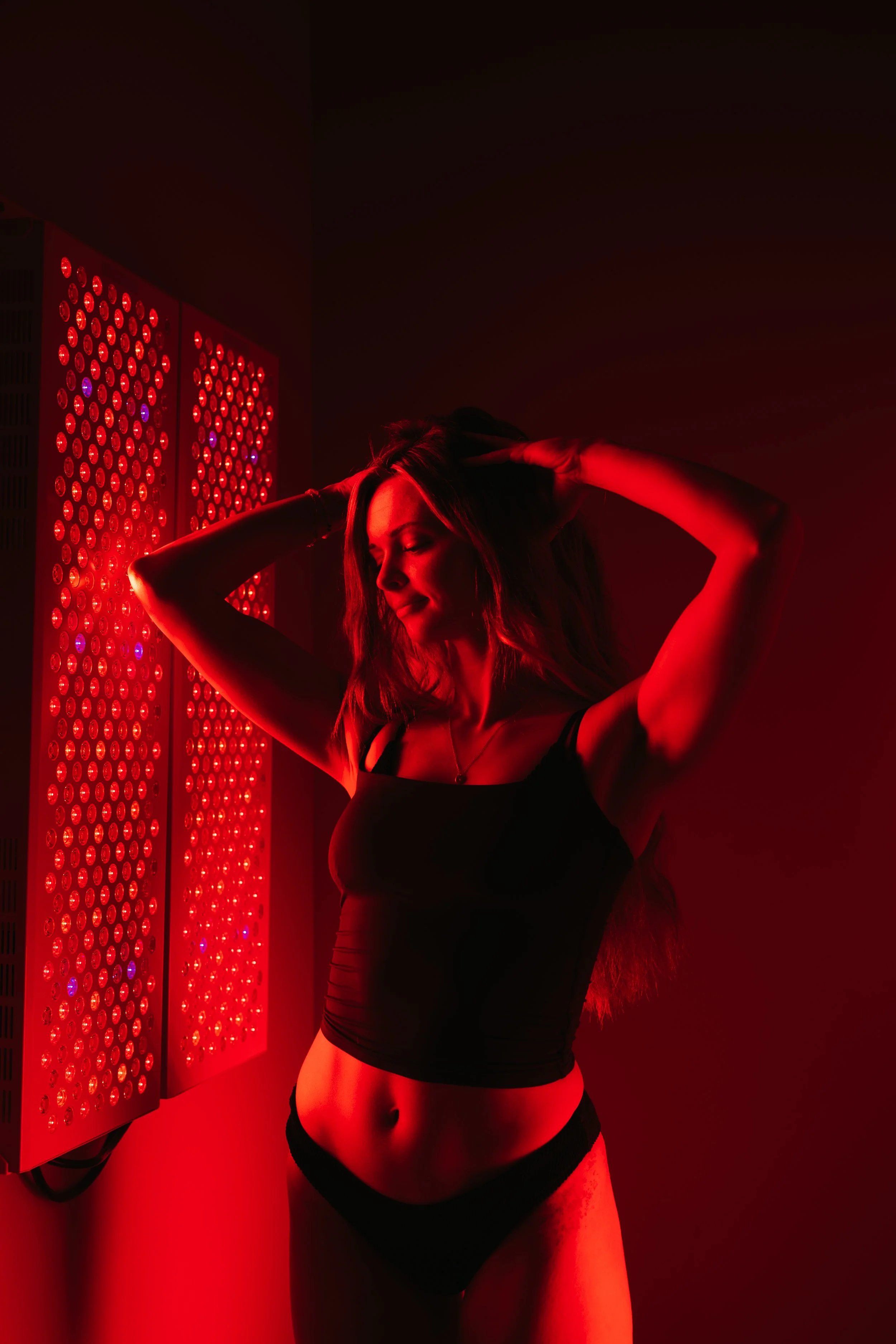
How Often Should You Use Red Light Therapy?
Frequency depends on the device, your training schedule, and your goals. Many people use it two to four times per week as part of a recovery routine. Some protocols allow more frequent use, while others recommend starting conservatively. Follow the guidance for the specific system you are using and adjust based on how your body responds.
Safety Considerations
Red light therapy is generally well tolerated when used according to device instructions. Eye protection is important with many systems. Speak with a healthcare professional before use if you take photosensitizing medications, have a light-sensitive condition, are being treated for cancer, or have unexplained skin changes. Stop if you experience unusual redness, discomfort, headache, or eye symptoms.
Red Light Therapy in Utah County
At Deliberate Wellness in Vineyard, red light therapy is available as part of a broader recovery offering that also includes compression, sauna, cold plunge, and dry float. Whether you train in Provo, Orem, Lehi, American Fork, or elsewhere in Utah County, it can be a convenient way to support recovery without adding another high-impact stressor to your week.
The Bottom Line
The most realistic red light therapy benefits for athletes and active adults are support for recovery processes, potential help with perceived soreness, and the ability to use a passive modality consistently. It works best when treated as one piece of a larger recovery strategy built on sleep, nutrition, hydration, and smart training.
If you are already using (or considering) red light therapy around workouts, the timing question is covered in our companion article. This guide focuses on the broader benefits and how to make the modality useful over the long term.
FAQS
-
The most commonly sought benefits are support for muscle recovery, potential reduction in perceived soreness, and a convenient, low-effort recovery option that can be used consistently.
-
Some research and athlete experience suggest it may help with the perception of soreness after hard training. Individual results vary, and it should be combined with proven recovery fundamentals.
-
Many people use it several times per week. The ideal frequency depends on the device protocol, your training load, and how your body responds. Start conservatively and follow professional guidance.
-
No. Infrared saunas primarily create heat stress. Red light therapy (photobiomodulation) delivers specific wavelengths at controlled doses and generally does not rely on the same whole-body heating effect.