Contrast Therapy Benefits: Sauna and Cold Plunge for Recovery
Contrast Therapy Benefits: Why Combine Sauna and Cold Plunge?
Going from a hot sauna into a cold plunge has become one of the most popular recovery routines in wellness and fitness. Known as contrast therapy, this practice alternates heat exposure with cold exposure to create rapid changes in skin temperature, blood flow and how the body perceives thermal stress.
But what are the actual contrast therapy benefits, and is combining sauna and cold plunge better than doing either one alone?
Research supports several benefits of sauna bathing and cold-water immersion independently. Research on the combination is still developing, so it is important not to assume that combining them automatically doubles the benefits. For many people, however, contrast therapy provides a practical way to combine relaxation, heat exposure and cooling in one recovery session.
What Is Contrast Therapy
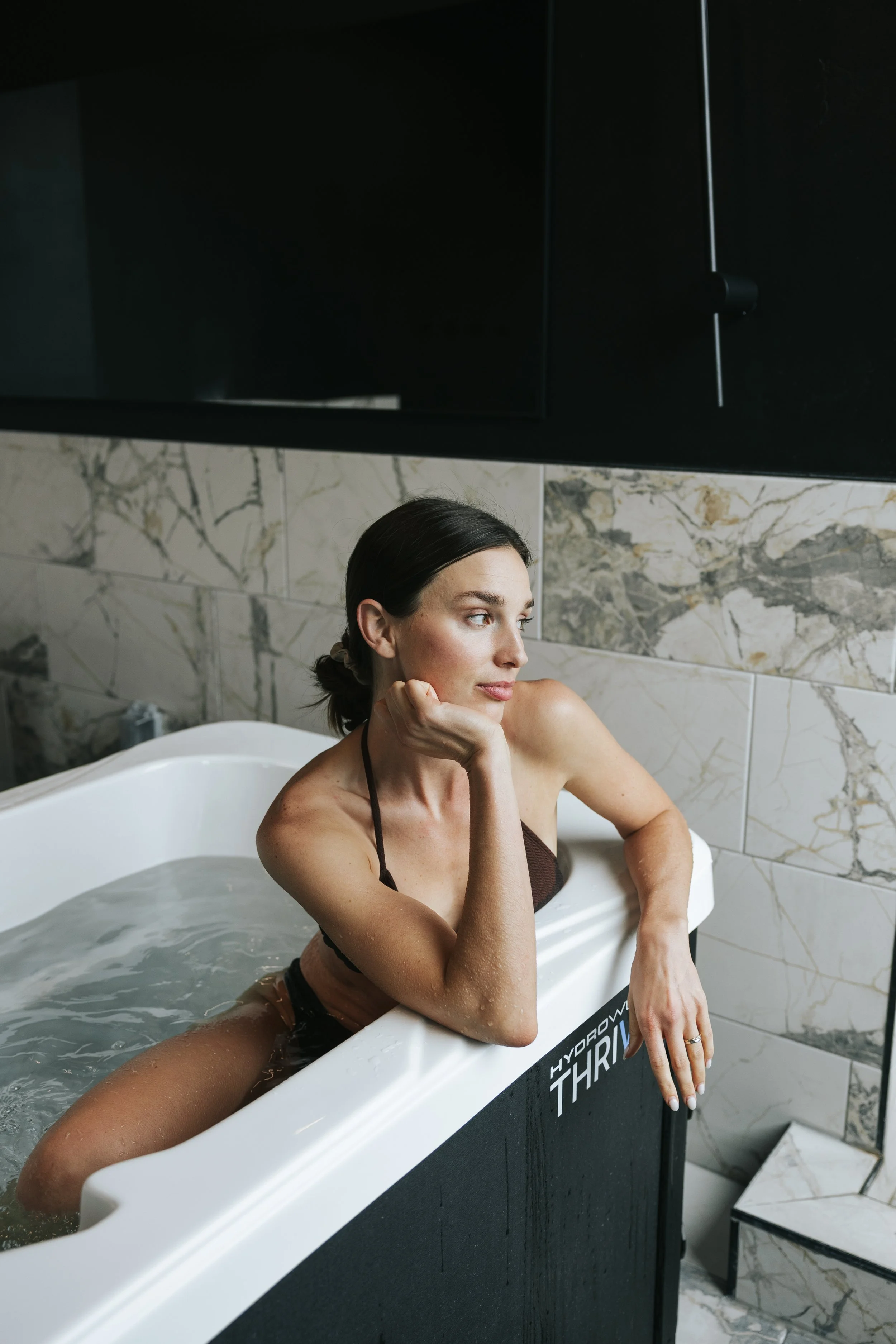
Contrast therapy is the deliberate alternation between heat and cold. At a wellness studio, that commonly means spending time in a traditional or infrared sauna and then transitioning into a cold plunge.
Heat causes blood vessels near the skin to widen and increases skin blood flow. Cold exposure produces the opposite acute response, constricting peripheral blood vessels and rapidly reducing skin temperature. Moving between the two creates a noticeable cardiovascular and sensory shift.
This hot-and-cold cycle is why contrast therapy feels different from simply sitting in a sauna or taking a cold bath by itself.
What Are the Main Contrast Therapy Benefits?
1. A Useful Recovery Ritual
One of the biggest reasons athletes use contrast therapy is recovery. Heat can feel relaxing on tight muscles, while cold-water immersion can temporarily reduce soreness and the perception of fatigue after demanding exercise.
That does not mean contrast therapy instantly repairs muscle tissue. Recovery still depends heavily on sleep, nutrition, hydration and appropriate training load. Think of contrast therapy as a recovery tool rather than a replacement for the fundamentals.
2. Changes in Circulation and Blood Flow
Sauna exposure increases heart rate and skin blood flow as the body works to dissipate heat. Cold immersion then produces a rapid cooling response and changes peripheral circulation.
A 2026 controlled study found that adding cold-water immersion between sauna bouts lowered core temperature, skin temperature and heart rate compared with air cooling alone. Participants also reported feeling less hot and better able to tolerate the next sauna exposure.
3. Relaxation and Stress Management
Many people use sauna and cold plunge sessions because of how they feel afterward. Heat can encourage relaxation, while cold exposure creates an intense but short-lived stimulus that requires controlled breathing and focus.
For some people, the combination becomes a deliberate break from phones, work and daily stress. That behavioral benefit can be just as valuable as chasing a specific biomarker.
4. Heat Acclimation and Sauna Benefits
Regular sauna bathing has a much larger research base than contrast therapy itself. Observational and experimental research has associated frequent sauna use with cardiovascular benefits, including improvements in vascular function and blood pressure regulation.
Adding a cold plunge changes the thermal load, however. If your goal is maximizing sustained heat exposure, jumping into cold water between sauna rounds may reduce some of the heat strain. If your goal is comfort, recovery and the experience of alternating temperatures, that cooling effect may be exactly what you want.
5. Post-Workout Soreness
Cold-water immersion is widely used after endurance events and hard training because it may help reduce perceived soreness. Contrast therapy lets you pair that cooling stimulus with the comfort and relaxation of sauna heat.
There is an important caveat for strength athletes: frequent aggressive cold-water immersion immediately after resistance training may not be ideal when maximizing muscle growth is the primary goal. If hypertrophy is your focus, consider separating intense cold exposure from your lifting session.
Sauna and Cold Plunge: Which Should Come First?
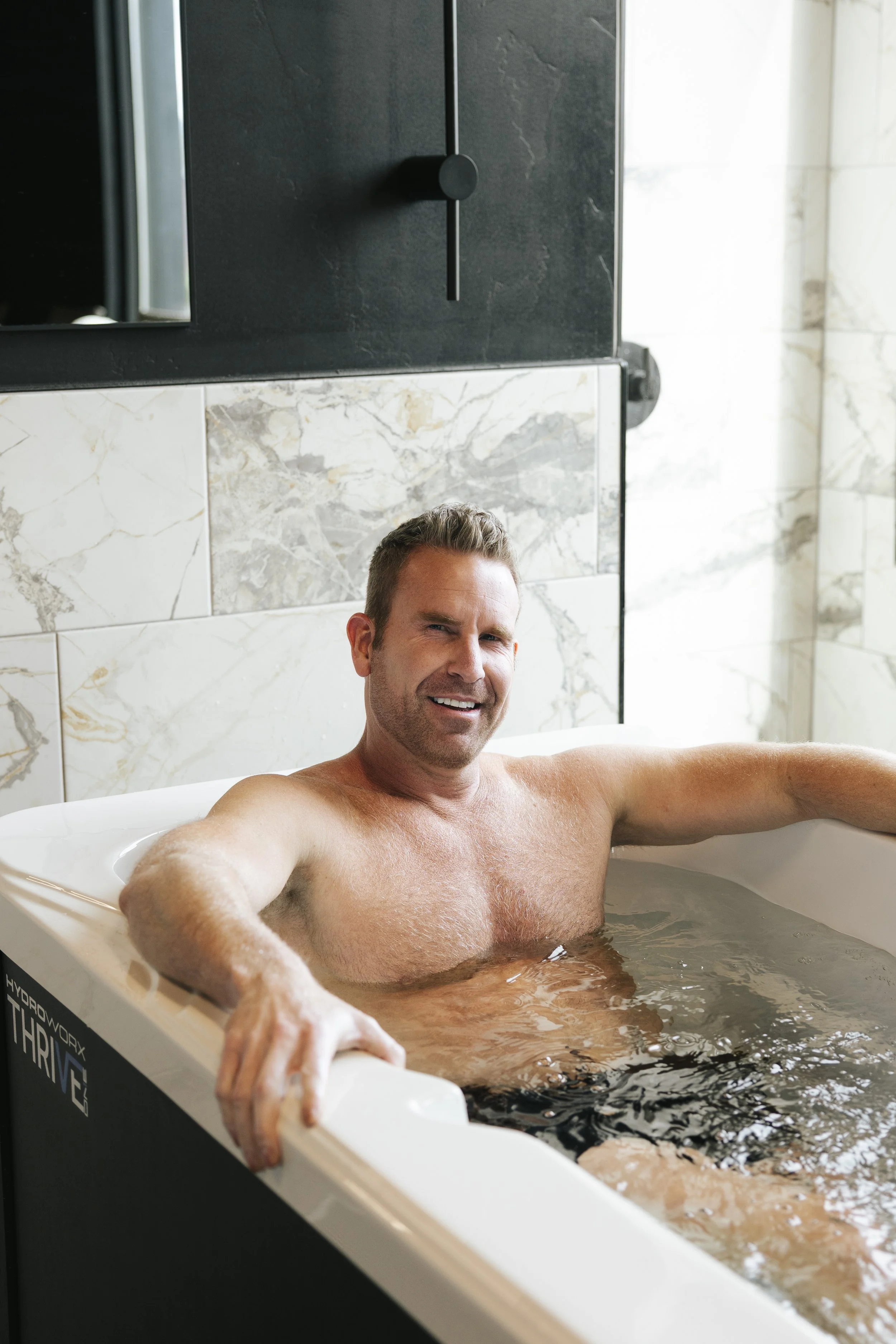
For the classic contrast therapy experience, start with heat and finish with cold or a comfortable recovery period.
A simple beginner routine might look like:
• 10–15 minutes in the sauna
• 30–90 seconds in the cold plunge
• Rest and allow breathing to normalize
• Repeat for 2–3 rounds if comfortable
There is no universal scientifically proven ratio that is best for everyone. Temperature tolerance, health status, experience and goals all matter.

How Often Should You Do Contrast Therapy?
For general wellness and recovery, many people use contrast therapy two to four times per week. Others enjoy shorter sessions more frequently. More is not automatically better.
If you are new to sauna and cold plunge therapy, start conservatively. Build tolerance to each modality independently before increasing duration or intensity.
Is Contrast Therapy Safe
Rapid temperature changes affect heart rate, blood vessels and blood pressure. People with cardiovascular disease, uncontrolled blood pressure, fainting history, pregnancy or other medical concerns should talk with a healthcare professional before beginning an aggressive sauna-and-cold-plunge routine.
Never treat extreme temperatures as a toughness competition. Stop if you become dizzy, confused, unusually short of breath or feel unwell.
Contrast Therapy in Utah County
At Deliberate Wellness in Vineyard, Utah, contrast therapy brings sauna and cold plunge into one convenient recovery experience. It is especially appealing for Utah County runners, lifters, skiers, cyclists and busy professionals looking for a structured way to recover and reset.
Deliberate Wellness is minutes from Orem, Provo, American Fork and surrounding Utah County communities, making contrast therapy easy to incorporate into a regular wellness routine.
The Bottom Line
The most defensible contrast therapy benefits are not that hot-and-cold exposure is a miracle treatment, but that it combines two useful thermal tools in a practical recovery routine. Sauna has compelling evidence around cardiovascular and wellness outcomes, while cold-water immersion can be useful for cooling and perceived recovery. Research specifically proving additional long-term benefits from alternating the two remains limited.
If you enjoy both, contrast therapy can be an effective way to make recovery deliberate, consistent and enjoyable.
FAQs
-
For generally healthy adults, sauna and cold exposure can both be incorporated into a wellness routine. The benefits and appropriate intensity depend on individual health and goals.
-
Heat and cold can influence inflammatory and circulatory responses, but claims that contrast therapy broadly “eliminates inflammation” go beyond current evidence.
-
Most contrast routines begin with sauna and then move to cold. There is no single protocol proven best for every goal.
-
Beginners can start with roughly 30–60 seconds at a tolerable temperature and increase gradually rather than chasing extreme cold or long exposures.
Research notes: Current literature supports distinct physiological effects from heat and cold, but direct evidence that combining them creates superior long-term outcomes remains limited. This article intentionally avoids overstating those findings.