How long should you cold plunge for?
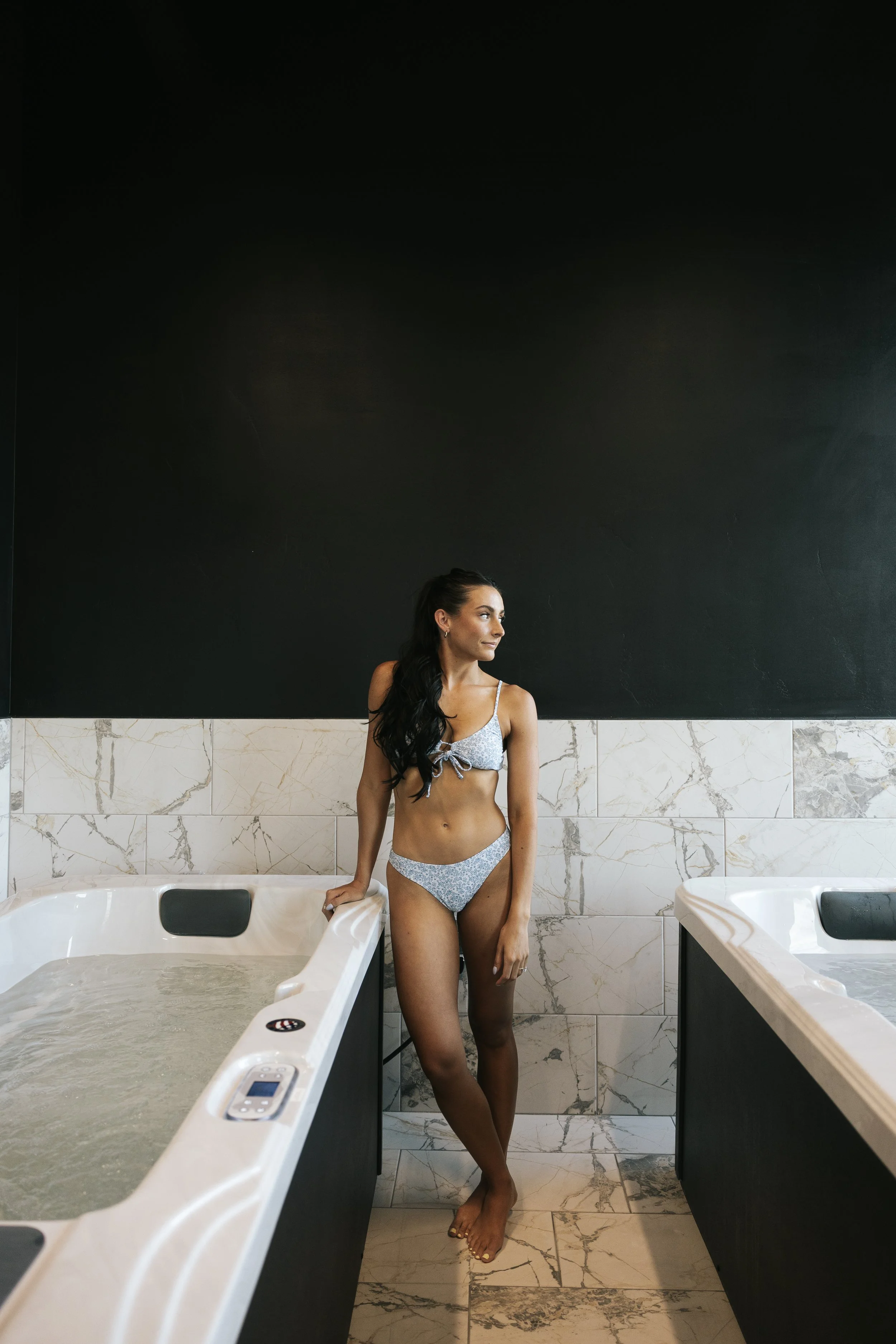
Cold water therapy, especially cold plunging, has become increasingly popular as people seek natural ways to boost their health and well-being. This practice, which involves immersing oneself in cold water, is touted for its potential health benefits, but it also raises an important question: how long should you cold plunge for optimal results? By understanding the right duration, you can maximize the benefits while ensuring your safety during each session. Let's dive into the specifics of this invigorating practice and explore how to make the most of your cold plunging experience.
Before we explore the optimal time for cold plunging, it’s crucial to understand what this practice entails. Cold plunging involves submerging your body in cold water, typically in a tub or a natural body of water, to harness the therapeutic benefits of low temperatures. The cold exposure is believed to trigger a series of physiological responses that can enhance both mental and physical health.
Cold plunging works by stimulating the body's natural responses to cold stress. This includes vasoconstriction, where blood vessels narrow to conserve heat, followed by vasodilation, which improves circulation once the body begins to warm. This process not only boosts blood flow but also helps in flushing out metabolic waste from the muscles. Furthermore, the cold shock can activate the sympathetic nervous system, leading to the release of endorphins and other neurotransmitters that elevate mood and reduce the perception of pain.
Cold water immersion is not a new concept; it has been practiced for centuries across different cultures. From the ancient Greeks, who believed in the therapeutic properties of cold baths, to the Finnish tradition of ice swimming, cold plunging has been revered for its health benefits. Understanding this historical context can provide insight into its enduring popularity and the potential reasons for its effectiveness in promoting wellness.
Cold water therapy, including cold plunging, is believed to offer several health benefits that make it an attractive practice for many individuals seeking natural remedies.
One of the primary benefits of cold plunging is enhanced circulation. The initial cold exposure causes blood vessels to constrict, which helps direct blood to vital organs. As you warm up post-plunge, blood vessels dilate, promoting improved blood flow throughout the body. This process can help in oxygenating the tissues and removing metabolic waste, potentially leading to improved cardiovascular health over time.
Athletes and fitness enthusiasts often turn to cold plunging to aid in recovery. The cold helps in reducing inflammation and muscle soreness following intense physical activities. This can be particularly beneficial in preventing delayed onset muscle soreness (DOMS), allowing individuals to maintain their training routines without prolonged recovery periods. By reducing swelling and inflammation, cold plunging can also enhance joint and muscle function.
Cold water exposure has been linked to improved mood due to the release of endorphins and other mood-enhancing chemicals. This natural high can help alleviate symptoms of stress, anxiety, and even depression. Many individuals report feeling invigorated and mentally clear after a cold plunge, attributing this to the rush of endorphins and the increased alertness that cold exposure provides.
Regular exposure to cold water is thought to stimulate the immune system. The stress of cold exposure may increase the production of certain white blood cells, which play a crucial role in fighting infections. By incorporating cold plunging into your routine, you may bolster your body's defenses against common illnesses, leading to better overall health and resilience.
Determining the right cold plunge duration depends on various factors, including individual tolerance, experience level, and the specific goals of the therapy. It is essential to tailor the duration to suit your personal needs and health status to ensure a safe and beneficial experience.
For those new to cold plunging, it's crucial to start with shorter durations to allow the body to adapt to the cold gradually. A good starting point for beginners is:
1 to 2 Minutes: This brief duration is generally safe for most people who are new to cold plunging. It offers a gentle introduction to cold exposure, allowing the body to acclimate without causing undue stress. Starting with shorter sessions helps in building confidence and tolerance, which can gradually be increased as you become more comfortable with the practice.
As you become more accustomed to cold plunging, you can gradually increase the duration to enhance the benefits further.
3 to 4 Minutes: This range is suitable for those with some experience and who have built a tolerance to cold exposure. The extended duration offers more pronounced benefits, such as enhanced circulation and mood elevation, without overexerting the body. It's important to listen to your body's cues and progress at a pace that feels comfortable and sustainable.
For some experienced individuals, longer cold plunges may be appealing. However, this should be approached with caution to avoid potential risks.
5 to 10 Minutes: Prolonged exposure to cold water is only recommended for those with extensive cold plunging experience and a thorough understanding of their body's limits. Going beyond this duration can increase the risk of hypothermia and other complications. Therefore, it's crucial to monitor your body's response closely and exit the water if you experience any signs of discomfort or distress.
Several factors can influence how long you should cold plunge, and understanding these can help tailor the practice to your individual needs and ensure a safe experience.
The temperature of the water plays a significant role in determining the appropriate duration for a cold plunge. The colder the water, the shorter the recommended duration to prevent adverse effects such as hypothermia. For instance, icy water conditions might require limiting the plunge to a minute or less, whereas slightly warmer conditions may allow for longer sessions. Always assess the water temperature before plunging to adjust your timing accordingly.
Individual health conditions and tolerance levels are crucial considerations when determining cold plunge duration. People with cardiovascular issues, respiratory conditions, or other health concerns should consult with a healthcare provider before attempting cold plunging. Personal tolerance can also vary widely; some individuals may find they adapt quickly, while others may need more time to adjust to the cold. It's essential to listen to your body and progress at a pace that feels right for you.
Safety should always be a top priority when engaging in cold plunging. Never cold plunge alone, as having someone present can provide assistance in case of emergencies. Ensure there are measures in place to exit the water quickly if needed, and avoid plunging in unfamiliar or potentially hazardous locations. Being prepared and aware of your surroundings can help mitigate risks and ensure a positive experience.
One of the most important guidelines in cold plunging is to listen to your body. While the practice offers numerous benefits, it's essential to recognize when it's time to exit the water to prevent potential harm.
Excessive Shivering: While mild shivering is a natural response to cold exposure, excessive or uncontrollable shivering can indicate the onset of hypothermia, signaling it's time to end the session.
Numbness or Tingling: If you experience numbness or tingling in your extremities, it's a cue to exit the water promptly. These sensations can indicate that your body is struggling to maintain its core temperature.
Dizziness or Disorientation: Feeling dizzy or disoriented during a cold plunge is a clear sign to get out of the water immediately and seek warmth. These symptoms suggest that your body is under stress and needs to recover.
To make the most of your cold plunge sessions, consider incorporating these techniques and tips into your routine for a more effective and enjoyable experience.
Start with shorter durations and gradually increase over time. This approach helps build tolerance to cold exposure and reduces the initial shock to the system. By slowly acclimatizing, you can enhance your body's ability to manage cold stress and enjoy the benefits more fully. Consistency is key, so incorporate cold plunging into your routine regularly to see improvements over time.
Focusing on deep, controlled breathing can help manage the body's response to cold and make the experience more comfortable. Techniques such as diaphragmatic breathing or the Wim Hof Method can be particularly effective in calming the mind and maintaining a steady heart rate during the plunge. Practicing these techniques can also enhance your ability to stay relaxed and focused, even in challenging conditions.
After a cold plunge, it's important to warm up slowly and safely. Use warm clothing, blankets, or a hot beverage to restore body temperature gradually. Avoid using extremely hot water or heat sources, as rapid temperature changes can be stressful for the body. If you plan to hop in the sauna after a cold plunge, try and give your body a few minutes to naturally rewarm before jumping into the extreme heat of a sauna. Opt for gentle methods to regain warmth and comfort, allowing your body to transition smoothly back to its normal state.
Cold plunging can be a refreshing and beneficial practice when done correctly. The key to maximizing its benefits lies in understanding the appropriate duration based on your experience level and personal factors. By starting slowly, listening to your body, and prioritizing safety, you can enjoy the advantages of cold water therapy safely and effectively.
Incorporate these guidelines into your routine to find the ideal cold plunge time that suits your body and health goals. As always, consult with a healthcare professional if you have any concerns or pre-existing conditions before starting cold water therapy. With the right approach and mindset, cold plunging can become a rewarding part of your wellness journey, offering a natural way to boost both physical and mental health.