The Blog
Evidence-based guides to help you make informed decisions about your wellness journey. Comparisons, protocols, and expert insights from our team.
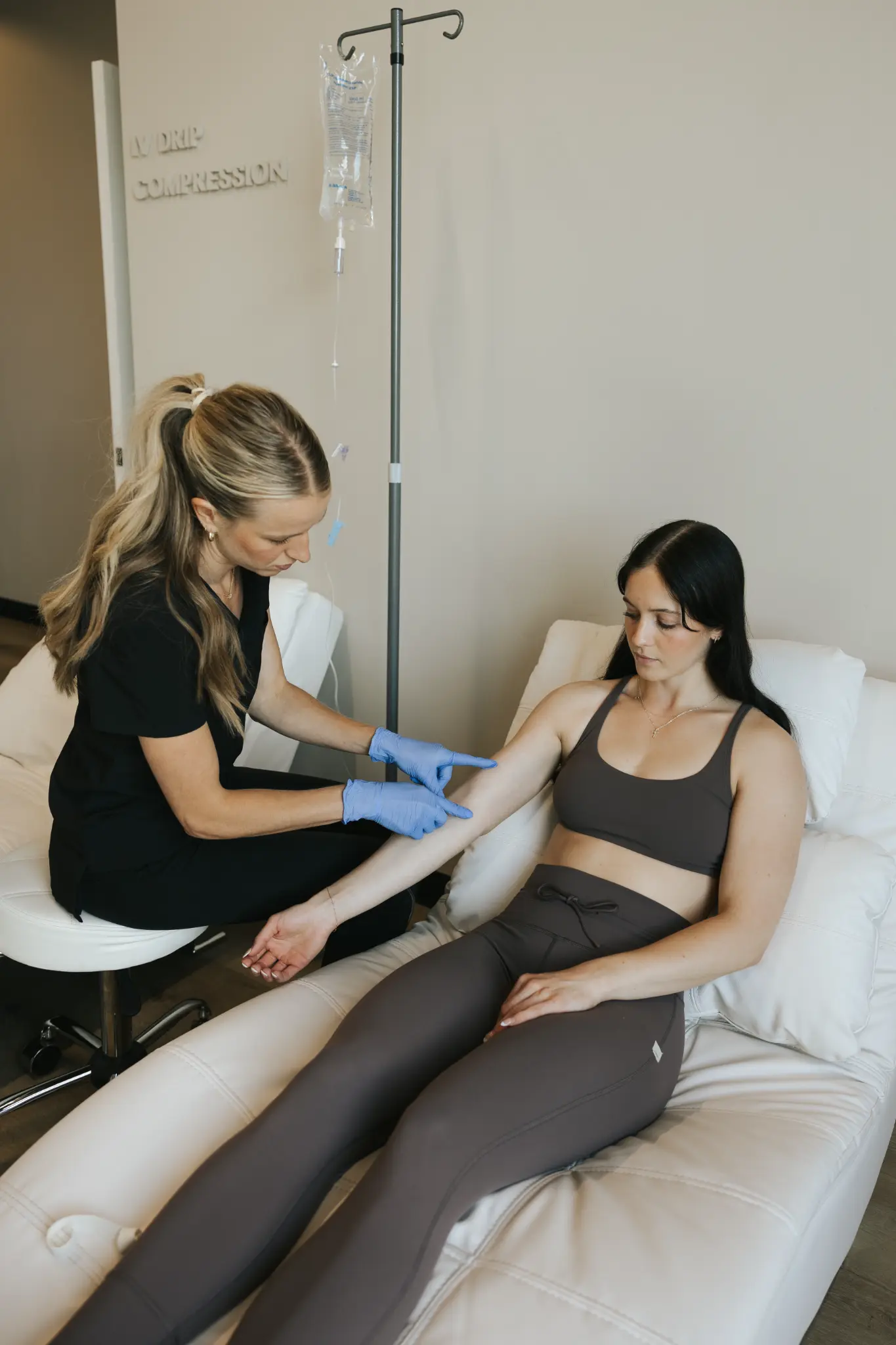
Signs of High Testosterone: What to Watch For and What It Means
Signs of high testosterone in men include persistent acne (especially on the back and shoulders), increased aggression or irritability, elevated blood...
Read More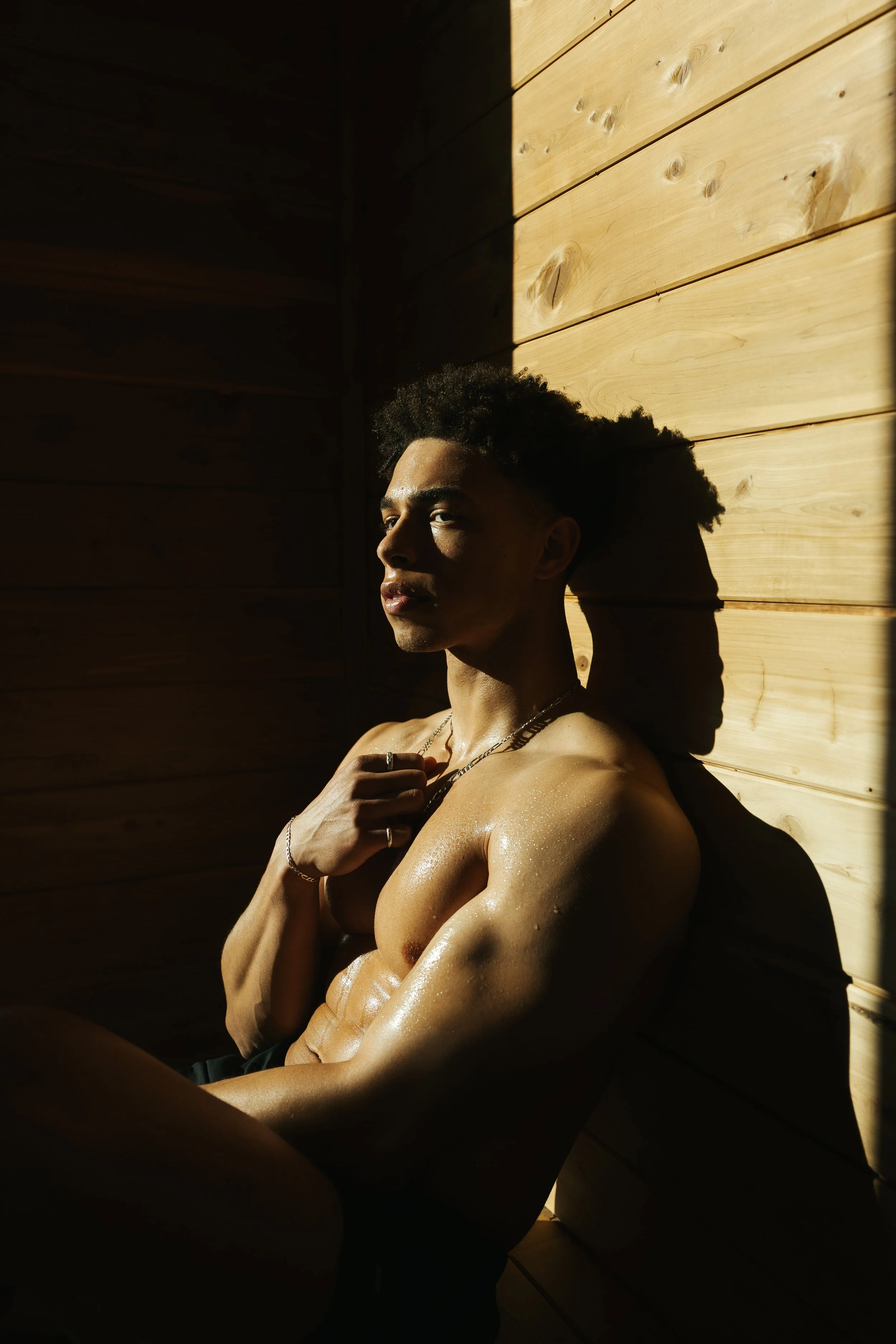
Clomid for Men: How It Boosts Testosterone While Preserving Fertility
Clomid (clomiphene citrate) is an off-label medication that stimulates your body to produce more testosterone naturally by blocking estrogen receptors...
Read MoreHow to Lower DHEA Levels: Strategies That Actually Work
Elevated DHEA (dehydroepiandrosterone) or DHEA-S levels are most commonly caused by chronic stress, adrenal dysfunction, or conditions like PCOS. Evid...
Read More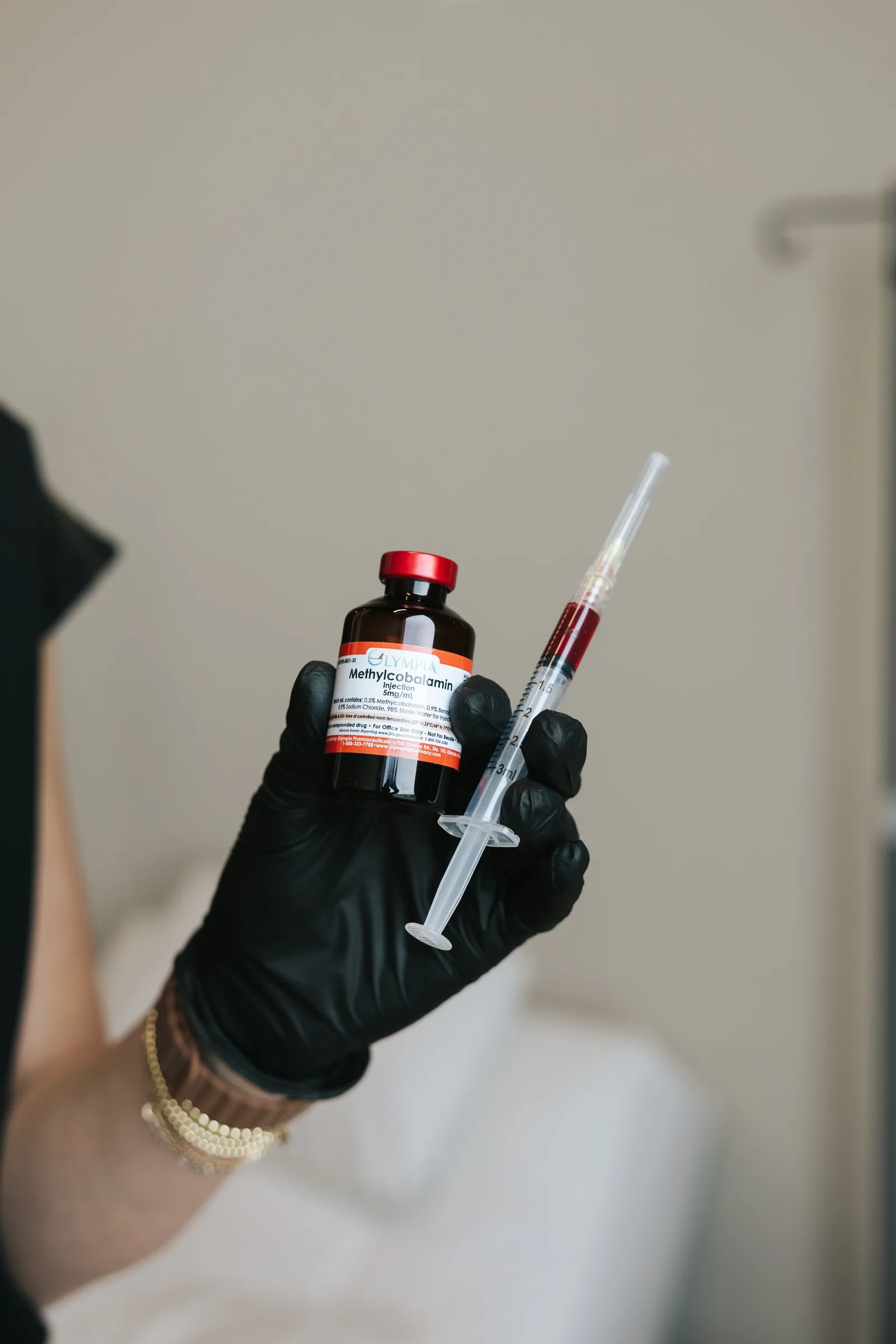
Does Testosterone Therapy Cause High Blood Pressure? What the Research Shows
Testosterone replacement therapy (TRT) can cause a small, clinically modest increase in blood pressure in some men — typically 3–5 mmHg systolic. Howe...
Read More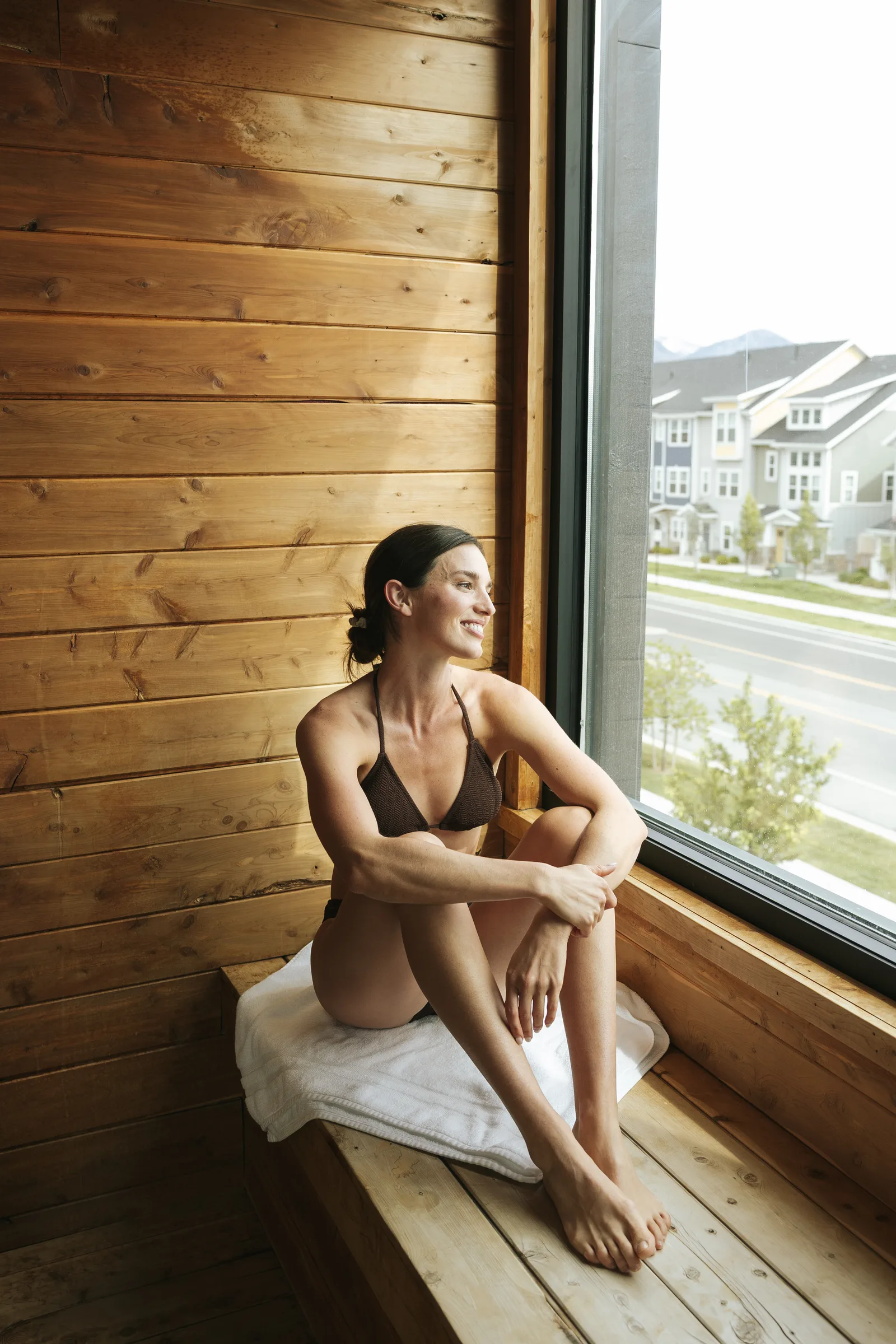
How Long Should You Stay in an Infrared Sauna? A Complete Guide
Most people should stay in an infrared sauna for 20–40 minutes per session. Beginners should start with 15–20 minutes at a lower temperature (120–130°...
Read More
Cold Plunge Benefits: A Science-Backed Guide to Cold Water Immersion
Cold plunge (cold water immersion at 38-50°F for 2-10 minutes) offers science-backed benefits including reduced inflammation, improved mood through no...
Read More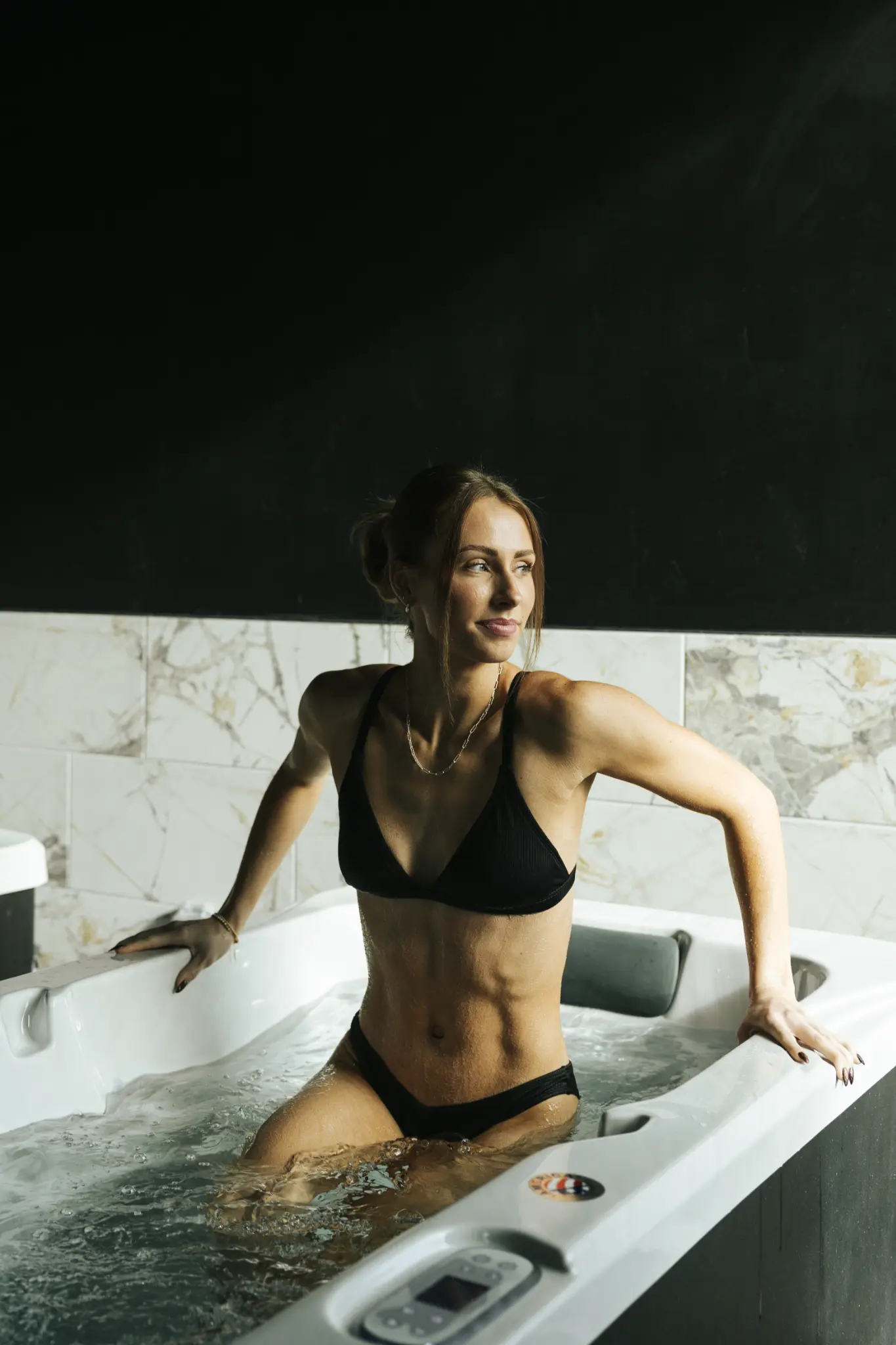
The Best Recovery Methods After a Day of Skiing in Utah
The best post-skiing recovery combines cold therapy (cryotherapy or cold plunge) to reduce inflammation, heat therapy (infrared sauna) to relax muscle...
Read More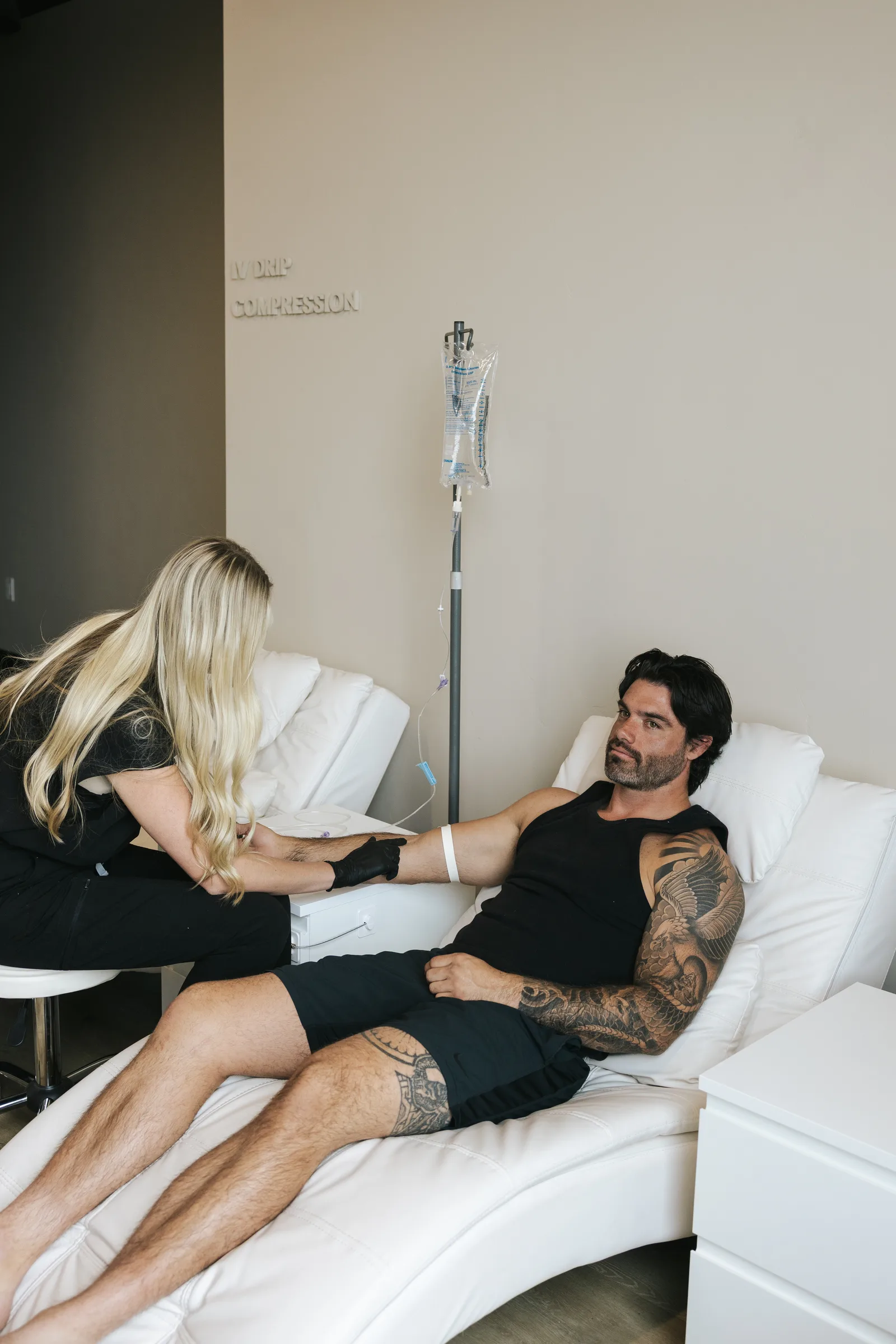
Mobile IV Therapy: What to Expect During Your First Session
During mobile IV therapy, a licensed nurse comes to your home, office, or event in Utah County. The visit takes 45-60 minutes total: a brief health sc...
Read More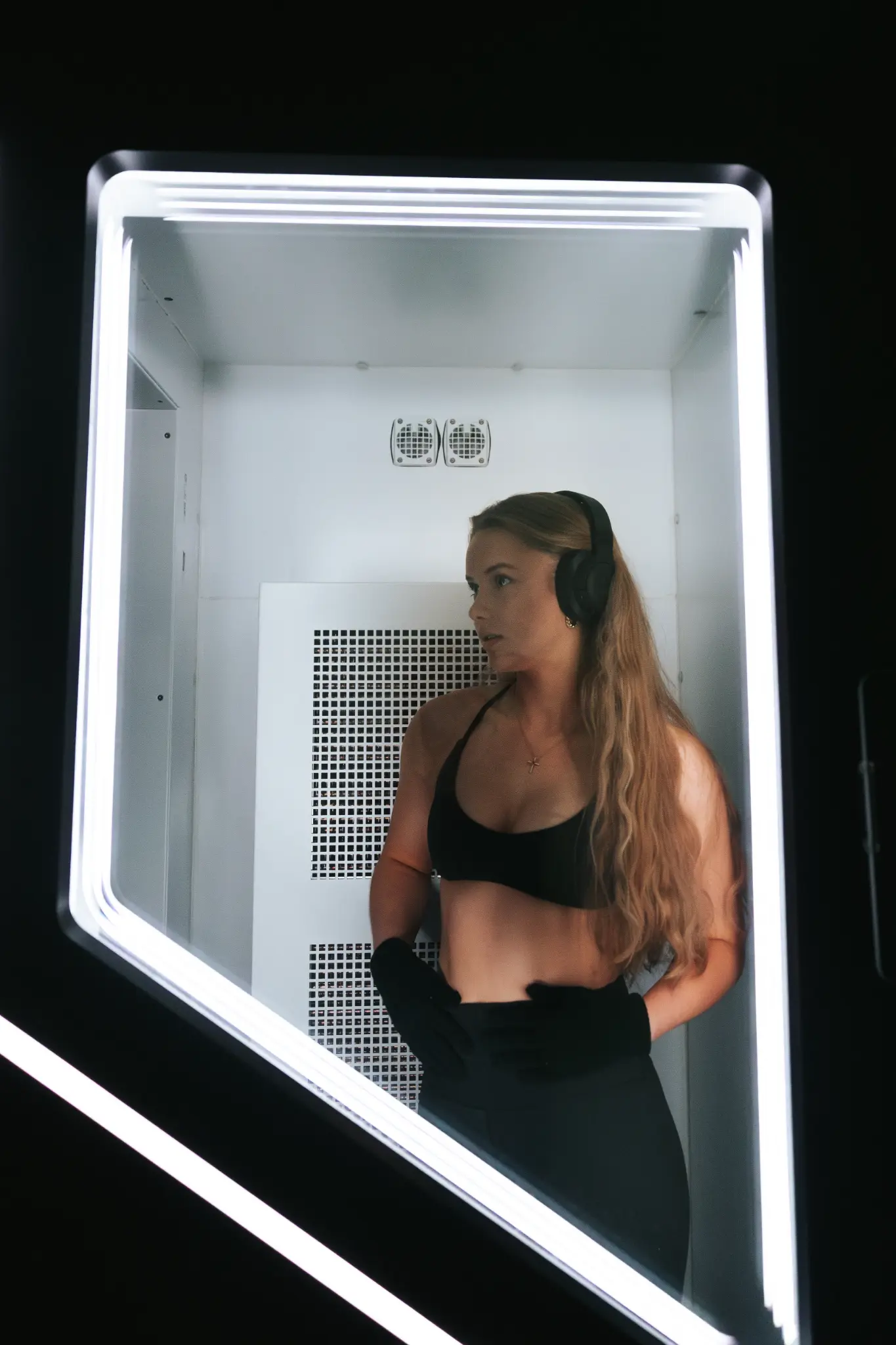
Cryotherapy vs Ice Bath: Which Recovery Method Actually Works Better?
Whole-body cryotherapy uses dry cold air (-130°F to -160°F wind chill) for 2-3 minutes, while ice baths (cold plunges) submerge you in 38-50°F water f...
Read More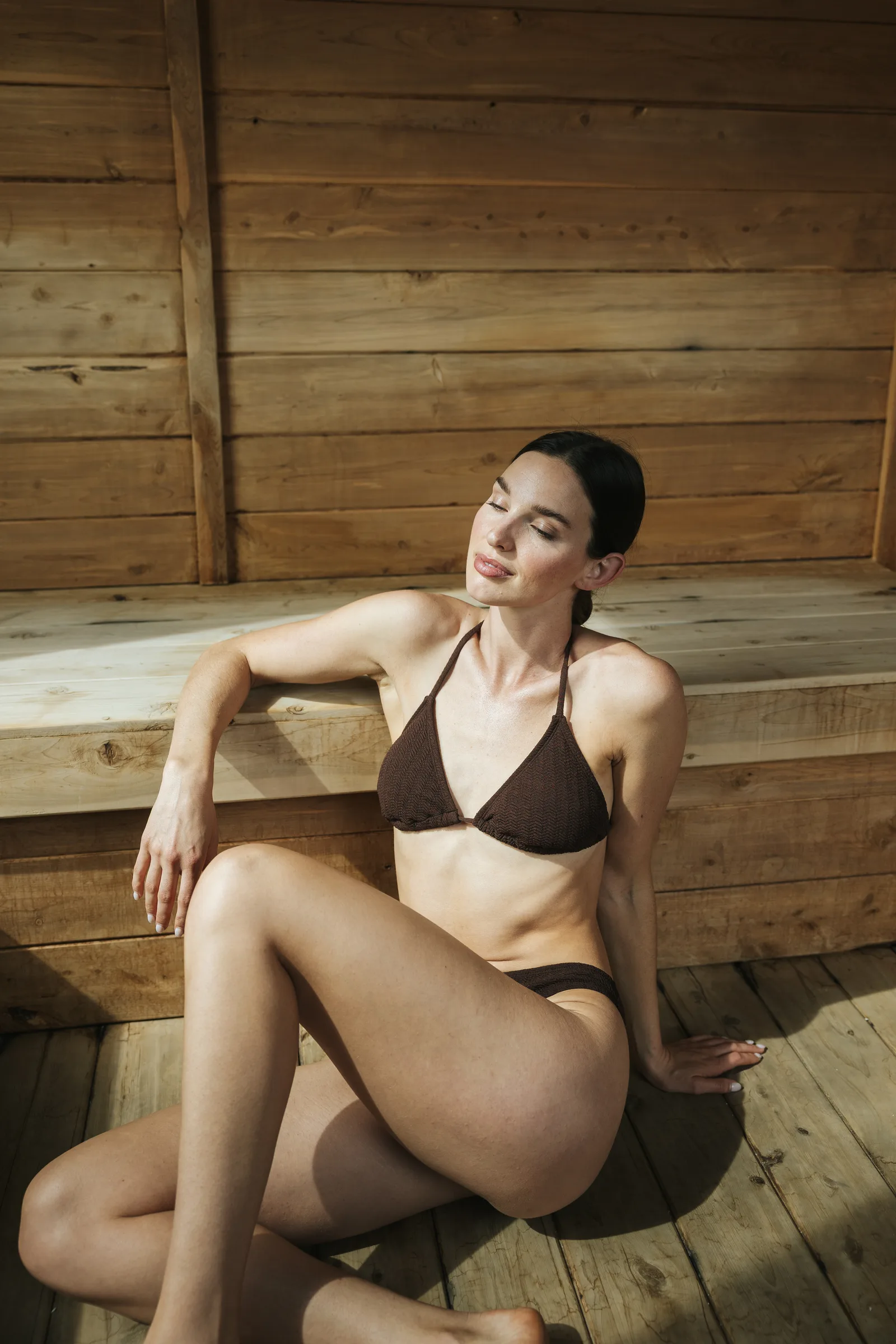
Infrared Sauna vs Traditional Sauna: Which Is Better for You?
Infrared saunas use light waves to heat your body directly at 120–150°F, while traditional saunas heat the air around you to 180–200°F. Infrared is ge...
Read More